
Rich to bail out Britain
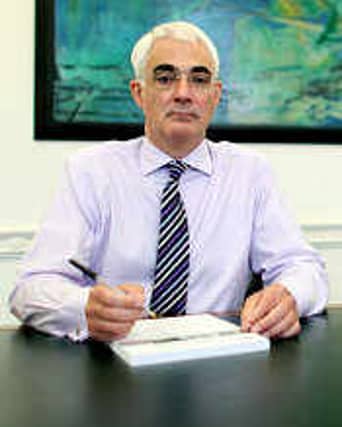

Chancellor Alistair Darling today unveiled his plans to take Britain out of the recession - telling bankers and the super-rich they must bear most of the pain of the spiralling national debt.
Chancellor Alistair Darling today unveiled his plans to take Britain out of the recession - telling bankers and the super-rich they must bear most of the pain of the spiralling national debt.
The country will this year owe £178 billion - £3 billion more than he had previously predicted - which he blamed on the effects of the global financial crisis.
Shadow chancellor George Osborne said it was "the biggest debt we have ever known".
Mr Darling announced a combination of spending cuts and tax hikes to halve the crippling national debt in the next four years.
Using the financial package to set the battleground for the next General Election he gambled his government's future on a one-off tax on bank bonuses and promises to help those in need.
He pledged fairer taxes in an effort to win over voters, with the richest households bearing the brunt of the painful measures.
But the Chancellor said public sector workers faced a one per cent pay cap from 2011, a move which provoked union fury.
Mr Darling announced a 0.5 per cent increase in National Insurance from April 2011 - so those earning more than £20,000 will pay more tax.
He confirmed VAT would go back up from 15 per cent to 17.5 per cent in the new year, inheritance tax would be frozen at £325,000, and that there would be no extension of the stamp duty holiday, with the threshold returning to £125,000 from £175,000 on January 1.
But there was fresh help for struggling small businesses, with the calling-off of a 1p rise in corporation tax due to hit 800,000 small firms next year.
He revealed the basic State pension would rise by 2.5 per cent - a real-term increase of nearly four per cent - and other benefits linked to inflation, such as child and disability benefit, would rise by 1.5 per cent from April.
Mr Darling said the Government would guarantee that anyone in work will always be better off than they were on benefits, with extra cash help from the State if needed.
He promised more support for school-leavers and specialist and tailored help for over-50s to find work.
Mr Darling said that from next month no-one under 24 needed to be unemployed for longer than six months - down from the current 12 months - before being guaranteed work or training.
He said he was delivering his Pre-Budget Report at a "critical time for our economy and for our country".
"The task today is to ensure the recovery and promote long-term growth," he said.
To cut support now would wreck the recovery, he said.
He unveiled plans for the biggest squeeze in public spending, but said education, health and police budgets would be spared average cuts of about 14 per cent over three years.
But the axe will not fall until 2011 - preserving programmes designed to bring about recovery and protect frontline services - thereby establishing a key policy difference with Conservative plans to cut public service spending now to deal with record levels of debt.
Mr Darling warned there was "still uncertainty" for the UK economy but predicted a return to growth by "the turn of the year".
Shadow chancellor George Osborne said that Labour has lost its "moral authority to govern" by putting electioneering ahead of fixing the economy,
Responding to the Chancellor's statement on the Pre-Budget Report, Mr Osborne told the Commons Alistair Darling had put off tough spending decisions until after Britain goes to the polls.
He accused the Chancellor of failing to produce a plan for dealing with Britain's debts, failing to restore confidence in Treasury forecasting and failing to convince the world that the country is open for business.
And he described the decision to increase National Insurance rates as a "tax on jobs". Mr Osborne told MPs: "Today, confronted with the biggest budget deficit in our peacetime history, he faced a choice.
"Would he take the tough spending decisions before the General Election or would he completely duck them?
"We were promised a Pre-Budget Report and what we got was a pre-election report. They have lost all the moral authority to govern today."
Commenting on the centralised pay cap on public sector staff, Brendan Barber, general secretary of the TUC, said it was "unfair and inefficient" and would damage long-established independent review systems.
"What we need is a fair tax system to make sure that those who did so well out of the boom years make a proper contribution," he said.
By London reporter Sunita Patel