
Regulation 'a very real threat to Press freedom'
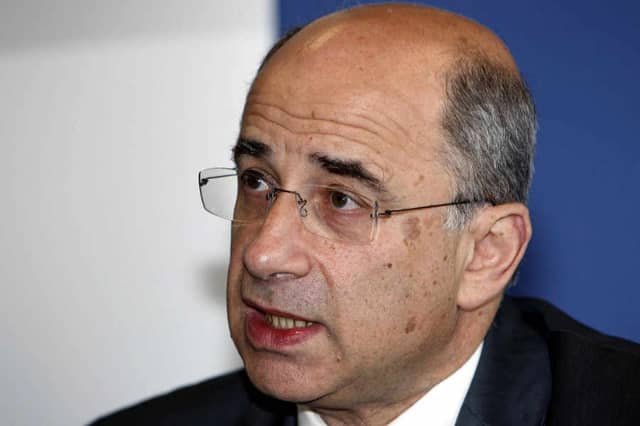

As the country awaits the proposals of Lord Justice Leveson, veteran political commentator John Hipwood warns that statutory regulation of the Press could harm its ability to hold the powerful to account.
Before the judge imposes his sentence on Thursday, let the Press, collectively, hold up its hands and plead guilty to a series of dreadful offences.
Lord Justice Leveson has been battered with opinions, particularly since he stopped taking evidence in his inquiry into the British press, about what that sentence should be.
His judgement will include some uncomfortable truths about what the Press have been up to, although "the Press" is a pretty catch-all term for a very disparate set of organisations.
To the best of my knowledge, journalists on the Shropshire Star, Aberdeen Press & Journal, Kentish Messenger, Torquay Herald and the vast majority (if not all) of regional and local newspapers in Britain have never hacked people's phones or paid people in authority, including the police, for information.
No doubt many a pint, glass of wine or lunch have been bought for detective constables, council leaders, MPs and ministers.
The journalist is seeking information to pass on to the public and, in my experience over 35 years covering politics at Westminster, many a good story has emerged from a lunch with a politician.
That does not involve criminal activity, but some of the activities of journalists exposed by the Leveson Inquiry, from phone hacking to paying police officers large sums of money, certainly does involve criminality.
So how best to make the punishment fit the crime? The one big fear within the newspaper industry, and among many a prominent politician, boils down to two words – statutory regulation.
The case for some kind of independent regulator, backed up by statute, is, on the surface, both strong and appealing.
One of the most vocal advocates of this is the actor, Hugh Grant, who has been given a hard time by the Press over the years.
If you haven't caught up with the Hacked Off campaign's arguments, watch the Channel 4 documentary, Hugh Grant: Taking on the Tabloids, which has been parachuted into the schedules on Wednesday evening. Judge for yourself whether the programme complies with public service broadcaster rules on impartiality.
A powerful case against statutory regulation could equally be gleaned from a programme which will be shown on Channel 4 a couple of hours later, Secret State, about the efforts of politicians and business leaders to cover up an explosion at a petrochemical plant on Teeside.
During his campaign, Mr Grant has repeatedly said that the system of self-regulation of the Press through the Press Complaints Commission "has been seen again and again to fail".
The actor, himself a victim of phone hacking, is backed by other victims including Jude Law and Charlotte Church, but he argues that he is campaigning on behalf of "ordinary people" who have fallen foul of the hackers, such as the Millie Dowler family, and Christopher Jefferies, the Bristol landlord wrongly arrested during the investigation of the Christmas murder of Jo Yeates.
Mr Grant says that the only bit of statute that would be needed would be to set up the office of the independent regulator in the first place.
"Otherwise, the danger is that newspaper editors will just say 'What is this new institution, this new body, this new regulator. We're not doing what you say. We're not paying your fines'," he recently told the Andrew Marr programme on BBC1.
Mr Grant is a popular actor, he has a popular line to spin, and it's certainly true that some newspapers have shown no fear of the Press Complaints Commission.
In one successful (can't think why) film, Love Actually, he actually played a British prime minister, who fancifully fell for one of the Downing Street staff who served him tea and biscuits.
But Hugh Grant is not a politician, and he naively trusts that any statutory regulation would never mean politicians, even a future prime minister, interfering with the Press and its freedom to publish and be damned.
That's a trust I would never give to any administration five, 10 or 20 years or even five weeks down the line.
In recent years, we have seen attempts by politicians to prevent publication of MPs' expenses.
Initial publication of the details did not win the Daily Telegraph many friends among our representatives at Westminster, but it shone a light on practices which shocked many ordinary citizens.
It also led to the exposure and jailing of a few individuals (and it was just a few), who were not just playing the inadequate system of allowances, but who were straightforwardly on the fiddle.
The episode was not only embarrassing to political leaders, it was highly damaging to democracy because it led to widespread distrust in our representatives at Westminster and a wholly misguided view that 'they're all on the make and only in it for themselves'.
Who's to say that some future leader, prime minister or home secretary would not try to abuse statutory regulation in order to prevent publication of something which might be damaging to the governing party of the day?
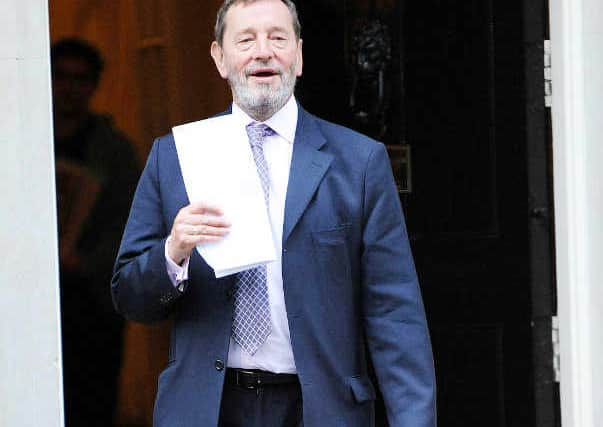
A former home secretary, victim of phone hacking and someone who suffered discomforting revelations about his private life, David Blunkett, came down at the weekend against using the law to muzzle the Press.
Mr Blunkett, who is generally respected at Westminster as a wise old hand, does want a "complete transformation" of the way complaints about newspaper stories are handled, but he is clear that political interference through an Act of Parliament is not the way to go about it.
In Love Actually, Hugh Grant's PM character was called, David, but it will be a third David in the spotlight this week. With advisers like former political editor George Jones (son of late Express & Star editor Clem Jones) on his panel, there is hope that Lord Leveson's sentence will not be statutory regulation.
But you never know, and there are plenty of Tory backbenchers who want a Bill to this effect. There are some surprising names among them, including Sir Malcolm Rifkind, Jesse Norman, Nadhim Zahawi and, most worryingly, George Eustice, a former prime ministerial press secretary.
Mr Cameron has said he will go with the Leveson recommendations unless they are "bonkers".
Those of us who accept that there must be tougher regulation of our industry believe that giving politicians any legal say over what newspapers publish would justifiably be categorised as "bonkers".