
Rebuilding The Crooked House could take three years and cost millions, warns expert
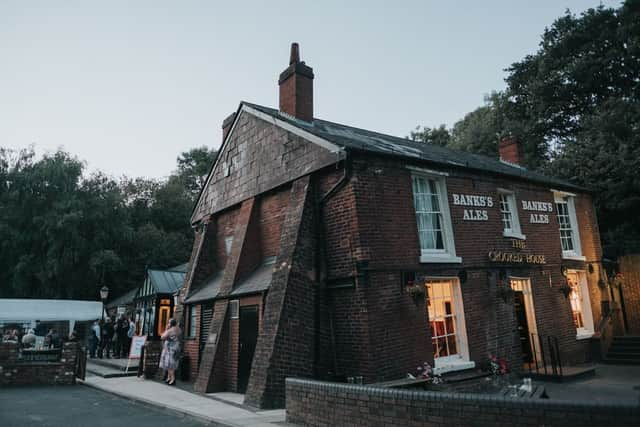
Rebuilding the Crooked House is possible, but would likely take up to three years and cost up to £3 million, says a leading expert.


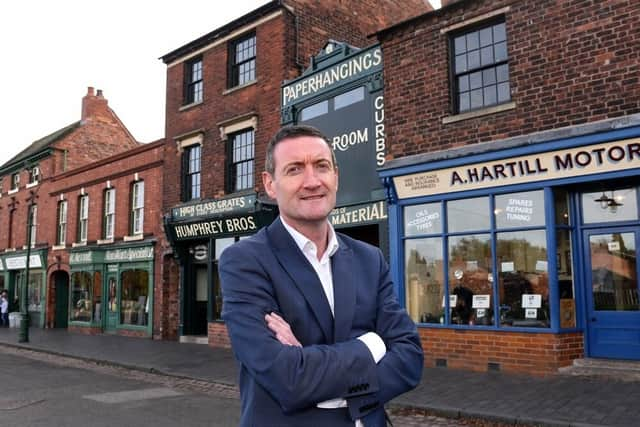
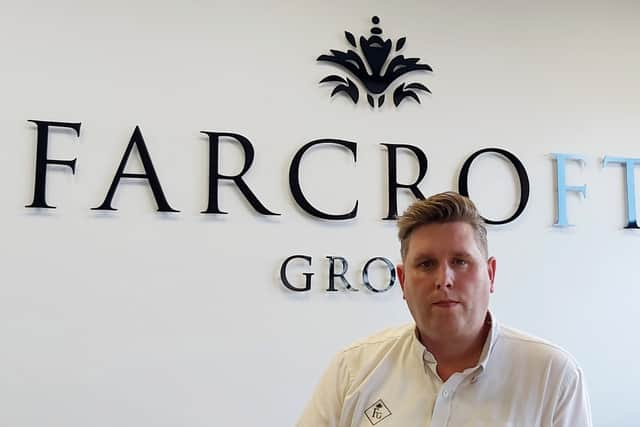
Danny Bennett, director of Aldridge-based Farcroft Restorations, said similar projects had been undertaken successfully elsewhere in the country.
But he said only people living in the immediate community could decided whether rebuilding the Crooked House would be worthwhile. An alternative might be to recover the remains of the pub and use it to create a new building, he said.
Farcroft, which has been going for 55 years, has been involved in a number of high-profile restorations of historic buildings, including that of Wythenshaw Hall, near Manchester, for which it received an award from the Royal Institute of British Architects. The company also restored the chandeliers at Birmingham Town Hall and the HMRC building at Westminster.
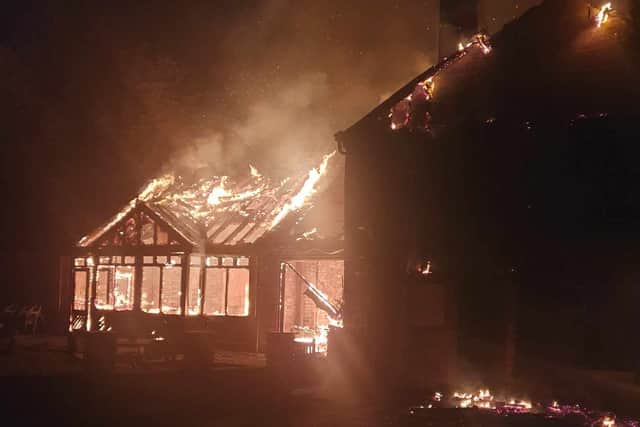
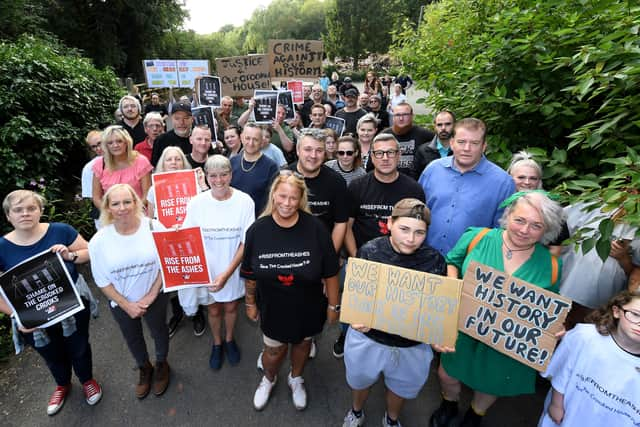
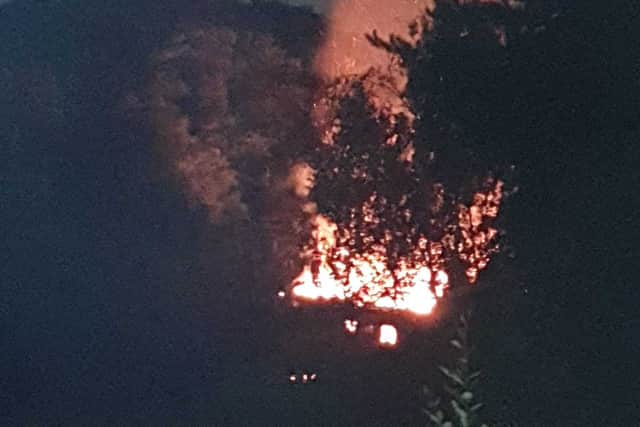
The fire and subsequent demolition of the 258-year-old pub have sparked worldwide interest, with many people – including West Midlands mayor Andy Street – calling for it to be rebuilt. There have also been calls for it to be relocated to the Black Country Living Museum, although chief executive Andrew Lovett has ruled that out.
Rebuilding old pubs after unauthorised demolition – which appears to be the case with the Crooked House – is not without precedent.
There is a precedent for this. The Carlton Tavern pub in Maida Vale, London, was demolished without permission in 2015. Westminster City Council ordered that it be rebuilt exactly as it was, and it reopened on April 12, 2021.
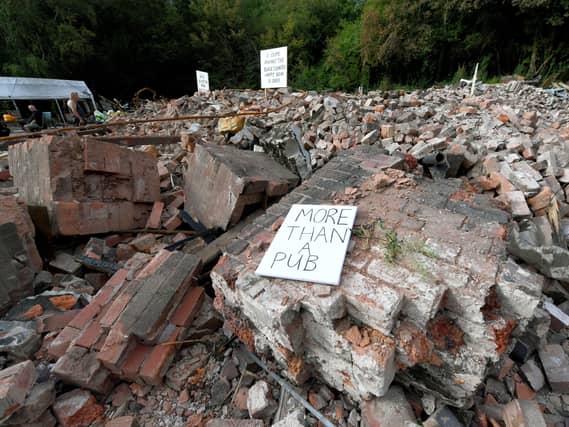
Mr Bennett said he had been watching the situation with considerable interest. But he said the demolition work which took place on Monday last week would make the project much harder.
Mr Bennett said the damage caused by the bulldozers would inevitably place some constraints on what could be done.
He said: "Could you recreate the building from its remains? Yes. Could you get it 100 per cent accurate? No."
Mr Bennett said restoring the building after the fire, prior to last week's demolition, would have been a far simpler task. It could also have been preserved as a ruin, as had been done elsewhere.
"It's not terribly unusual to build a replica based on the original design, using exactly the same methods," he said.
"You would want to keep the original materials where possible.
"It's amazing what you can pick up from the remains, and if you can find old drawings.
"The design and approval process is probably going to take something like 12 months.
"You have also got to find the right people to carry out the work, you have got to have people who understand not just the materials, but the methods that were used.
"You have got to allow time for recruiting, and the remedial work would be a fair six months, and rebuilding would be another year. So all in all, you're looking at two-and-a-half to three years."
He said replicating the slope of the building would also make it more difficult, although it could be done.
"It's very hard to put a price on it, but I would reckon £2.5 million to £3 million, putting a finger in the air."
He said restoring the building in the state it was after the fire would have been much more straightforward, and could probably have been done within two years.
"We have done this a number of times, a fire goes up and takes the roof off the building," he said.
"You have lost your timbers, everything that was there. First you make sure the walls are stable, and then you can create a new roof structure. I would say it would knock a million off the cost."
He said an alternative possibility would be to honour the memory of the Crooked House by using its remains to create a new building.
"Whether it is worth the cost of rebuilding the Crooked House is something that only people in the area are qualified to comment on, but it could be done," he said.
"You could take the materials, and rebuild them in another form, so you have got your original bricks in another building that is more beneficial to the community."
Mr Lovett said he was greatly saddened by the loss of the Crooked House.
But he said restoring or relocating the pub would be too costly a project for the Black Country Living Museum to take on at this time.
Work has recently begun rebuilding the former Woodside library at the 26-acre site.
“It’s a very complicated and costly endeavour and that’s one of the reasons we’re not in a position to just suddenly drop everything and go and get the Crooked House,” he said.
“We have to number pretty much everything, from the rafter to the bricks, and take everything down one by one.
"The bricks get loaded in reverse order on to a pallet to help with the rebuild process at the other end. We don’t call it demolition, we call it dismantling, and the whole process took about six months.
“But Woodside was built in 1894 so you will get bricks and stonework that have deteriorated and are structurally no good. Sometimes, you can substitute a brick from an inner part of the building, or we have to get stonemasons to replicate things. Particularly if it’s sandstone, which is quite porous, it is susceptible to rain and frost and cracking, and inevitably you end up having to replace it, it’s unavoidable.”
The museum recently opened the Elephant & Castle pub, an Edwardian pub that was unexpectedly demolished in Wolverhampton in 2001, before it could be listed.
Museum experts used photographs and archive material to recreate it as faithfully as possible.
“It was only possible really because we had architectural plans and photographs,” said Mr Lovett.
“We were also able to talk to the last landlords and families that lived there and say, ‘where was the bar, what did it look like?’ It takes a lot of effort but if you get it right, it can really trigger memories for people."
Mr Lovett said another difficulty was making sure recreated buildings complied with modern regulations. For example, the large wooden staircase at the Elephant and Castle did not meet fire regulations, so it was necessary to build a metal staircase beneath it.
Ironically, given the tilt of the Crooked House, Mr Lovett said a lot of money had to be spent ensuring the recreated buildings would not be affected by mining subsidence.
The museum already has its own leaning building, Jerushah Cottage, also known as The Tilted Cottage. The building was removed from its original location at Coopers Bank, Lower Gornal, in 1987, and rebuilt at a 10-degree angle.
“It can be done, we just had to lay a foundation deliberately at that angle so that when the building was put up, it was 10 degrees off,” said Mr Lovatt.
Comment Guidelines
Iconic Media encourages reader discussion on our stories. User feedback, insights and back-and-forth exchanges add a rich layer of context to reporting. Please review our Community Guidelines before commenting.