
Shock child poverty figures in Shropshire and Telford lead to call for Government action
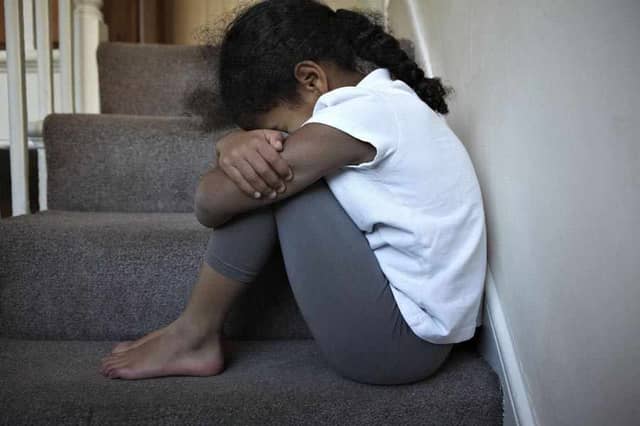

Nearly one in three children in Telford – and one in five in Shropshire – are living in poverty, according to new figures.
The figures for 2015 have been released by the End Child Poverty Coalition, which is calling on the Government to end the freeze on children's benefits and reverse the sharp cuts being introduced to in-work benefits under Universal Credit.
The coalition has said more than 3.5 million children are living in poverty in the UK today.
The figure of 20 per cent for Shropshire and 28 per cent for Telford & Wrekin is less than Birmingham (37 per cent) and Wolverhampton (34 per cent) which are both in the top 20 for the highest levels of child poverty.
The coalition of charities, faith groups and unions is warning that the benefits freeze in place until the end of the decade will mean that as prices rise, low income families will find it increasingly hard to pay for the same basic essentials.
It said recent cuts to in work support under Universal Credit further penalise low income working families – pushing more working families below the poverty line.
End Child Poverty is calling on the Government to use the upcoming Autumn Statement to end the freeze on children's benefits, and to reverse the sharp cuts being introduced to in-work benefits under Universal Credit.
Sam Royston, chairman of End Child Poverty, said: "As the Prime Minister has rightly recognised, this is not a country that works for everyone.
"In every community, there are children being denied the happy childhoods and the good start in life other children take for granted.
"Our children are now twice as likely to be poor as our pensioners.
"Many families who are just about managing today, won't be managing tomorrow if Universal Credit leaves them with fewer pounds in their pocket, and if rising costs of living means their money doesn't stretch as far as it used to.
"We urge the Chancellor to reverse the significant cuts to Universal Credit targeted at working families and, at the very least, shield children's benefits from inflation."