
'Utterly shameful': MP slams state of Shropshire rivers after data reveals raw sewage spills double
MP Helen Morgan has branded the scale of sewage dumping in North Shropshire as "utterly shameful".
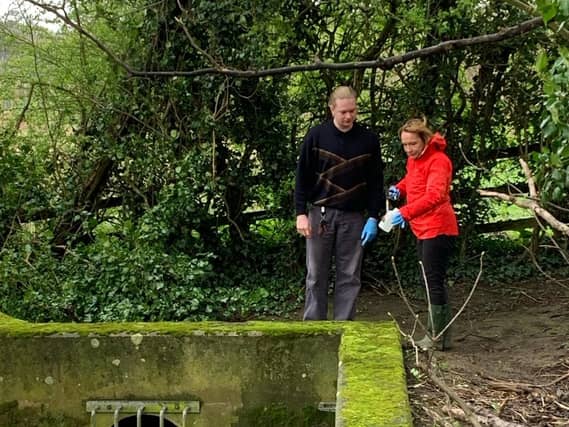


The comments from the North Shropshire MP came after data showed raw sewage was allowed to flow into waterways in her constituency for some 250 days.
Councillors in Oswestry have been working to raise awareness of the problem and take action, with the Morda described as ‘nearly black’ downstream and the worst it had been for years.
Data from the Environment Agency revealed last week that raw sewage was released into the Morda 146 times in 2023 for the equivalent of 69 days non-stop.
Ms Morgan called the scale of the problem "utterly shameful".
She said: "Last week, we saw Environment Agency statistics that are yet another chapter in this ongoing national scandal, including some horrifying results right here in North Shropshire.
"Sewage was allowed to flow into waterways across North Shropshire for 250 days last year – and that’s before we take into account the upstream problems which still impact the water in our rivers and waterways.
"I spent some time last week out with parish councillors not far from Oswestry who have been regularly conducting tests of the water at the banks of the River Morda.
"The river was practically black or very dark brown in parts, and I was told by the team who regularly test there that they consistently find high levels of human waste discharged right in. How we let this happen is astonishing and a damning indictment on the Government."
Due to the county's sewage systems that see rain and sewage share the same pipes, sewage is spilt into waterways to prevent the system from backing up during periods of heavy rain - but environmentalists say the dumps should only be happening in exceptional weather.
But the EA has said the dramatic figures can be partly blamed on the country facing its sixth-wettest year on record.
While figures are now at their highest-ever levels, officials have cautioned that comparisons over the years are difficult as an increasing number of storm overflows have been fitted with monitors over time, and all now have the technology to record spills.
Nevertheless, the data was described as "disappointing" but "sadly not surprising" by the EA, while campaigners said the scale of discharges was a "final indictment of a failing industry".
Severn Trent figures show there were 440,446 hours of sewage spills from monitored storm overflow in 2023, up from 249,116 hours in 2022, along with another 60,253 hours of sewage spills from monitored storm overflows, compared to 44,765 hours the year before.
Since the data was released, Severn Trent said that it is investing in a range of initiatives to "improve river health", but ultimately pointed the finger at a particularly wet 2023.
A spokesperson for the water company said in 2023, the county experienced 34 per cent more rain than in 2022, with the wettest period on record during Storm Babet.
They added: "Our overall impact on rivers has reduced, as our investment in our region continues to do our bit to create healthier rivers.
"On storm overflows specifically, we’re investing £384m in 2024/25 and by 2030, and a further £1.1b investment will see spills reduced from overflows to the lowest in the industry."
Comment Guidelines
Iconic Media encourages reader discussion on our stories. User feedback, insights and back-and-forth exchanges add a rich layer of context to reporting. Please review our Community Guidelines before commenting.