
National Trust reintroducing species to 'stunning' Shropshire site marking important milestone
The ants are considered a keystone species.
A species of ant has been reintroduced to an area of woodland near Bridgnorth as part of an ambitious conservation project led by the National Trust.
The return of the Southern red wood ant marks an important milestone in restoring natural woodland processes and boosting biodiversity across the Dudmaston Estate, and has been completed in partnership with Swansea University and ant conservation specialists Ant Antics.
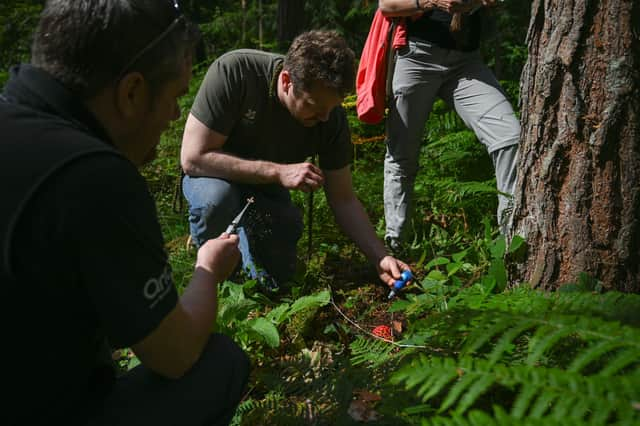

Southern red wood ants are considered a keystone species, meaning they play a big role in supporting healthy ecosystems.
Their presence helps maintain the balance of woodland habitats by influencing soil health, insect populations, and the wider food web.
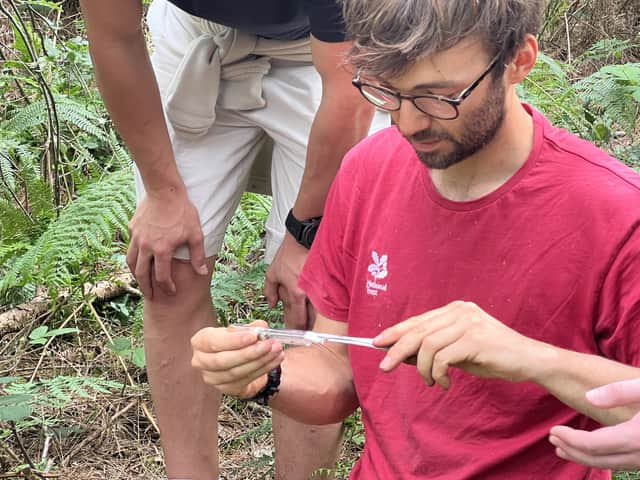
The ants provide natural pest control, preying on insects such as caterpillars and aphids that can damage trees.
Their activities help regulate the populations naturally, supporting the long-term health of the woodland.
The large dome-shaped nests also act as biodiversity hotspots.
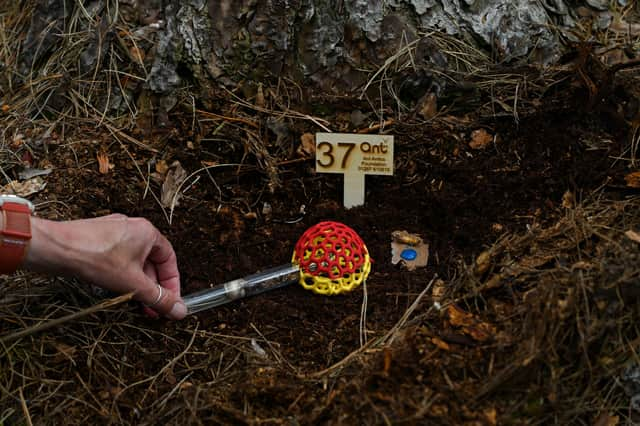
Built from pine needles and woodland debris, the warm structures create microhabitats that support many other invertebrates, some of which depend on wood ant colonies to survive.
As ecosystem engineers, wood ants also play an important role beneath the forest floor.
By building their nests, they aerate the soil, improve nutrient cycling and create conditions that support woodland regeneration.
The organic material gathered in their nests accumulates nutrients such as nitrogen and phosphorus, making them more available to nearby plants.
Southern red wood ants also contribute to the wider woodland food web.
They provide food for birds, mammals and other invertebrates, while their nests can support specialist species and even serve as a parasite-removal resource for birds.
The project also contributes to wider conservation efforts across the region, including habitat restoration work at Kinver Edge, also cared for by the National Trust, where southern red wood ants are being reintroduced.
Ewan Chapman Countryside Manager for the National Trust said: “Southern red wood ants play an extraordinary role in woodland ecosystems. By bringing them back to Comer Woods we’re restoring natural processes that support healthier soils, richer biodiversity and more resilient woodlands. This project is a great example of how targeted conservation action can help rebuild the complex relationships that make these landscapes thrive.”
Across the UK, southern red wood ants have declined due to habitat loss, woodland fragmentation and changes in land management that have reduced the sunny woodland edges and glades they rely on.
In some regions they have completely disappeared. The project involves carefully translocating ant colonies into suitable habitats within Comer Woods, where conditions such as woodland structure, sunlight levels and food provide the best chance for the colonies to establish and expand.
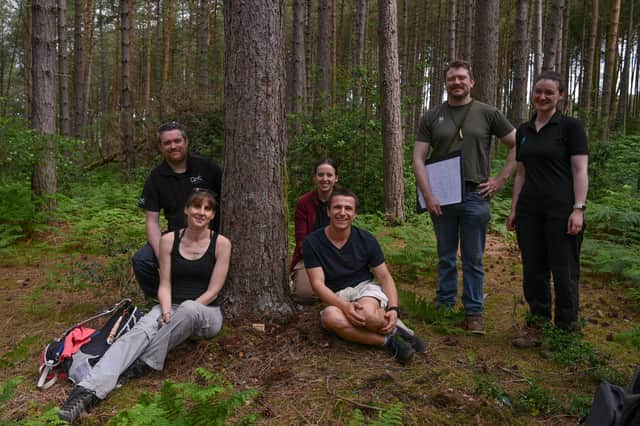
Researchers from Swansea University have helped to plan the ants’ transportation and will support ongoing monitoring to understand how the colonies develop and how they influence the surrounding ecosystem.
Ant Antics worked closely with National Trust teams to safely move and establish the colonies.
Dr Wendy Harris, from Swansea University, added: “Wood ants are true ecosystem engineers. Their nests influence soil nutrients, plant growth and whole communities of other invertebrates. Reintroducing them allows us not only to restore a lost species but also to study how their presence helps woodland ecosystems recover and function more naturally over time.”
“Visitors exploring Comer Woods may begin to notice the distinctive mound nests as the colonies establish themselves. While the ants are active and industrious, they pose no risk to people when left undisturbed.”
The ants’ return to Comer Woods is a reminder that even the smallest species can make a big difference — helping to rebuild biodiversity, repair ecological networks and create richer landscapes for wildlife and people.
Comment Guidelines
Iconic Media encourages reader discussion on our stories. User feedback, insights and back-and-forth exchanges add a rich layer of context to reporting. Please review our Community Guidelines before commenting.