
Lyrid meteor shower: Where the West Midlands’ Dark Sky areas are as oldest recorded meteor shower to peak
The Lyrid meteor shower, active from 16 April to 25 April, will peak on Wednesday 22 April.
There is a chance you could see the Lyrid meteor shower - the oldest recorded meteor shower still visible today - in the UK this week.
The Lyrid meteor shower - first recorded in 687 BCE - will peak on Wednesday 22 April, with some predicted clear skies which could make for good viewing conditions.
How you can see the Lyrid meteor shower in the UK
Royal Museums Greenwich says the best way to see meteor showers, including the Lyrids, is to go to a dark site with an unobstructed view of the sky.
The West Midlands has a number of designated Dark Sky areas ideal for stargazing including Barr Beacon in Walsall and Carding Mill Valley, Cross Dyke Car Park, Shooting Box Car Park and Pole Cottage in Shropshire.
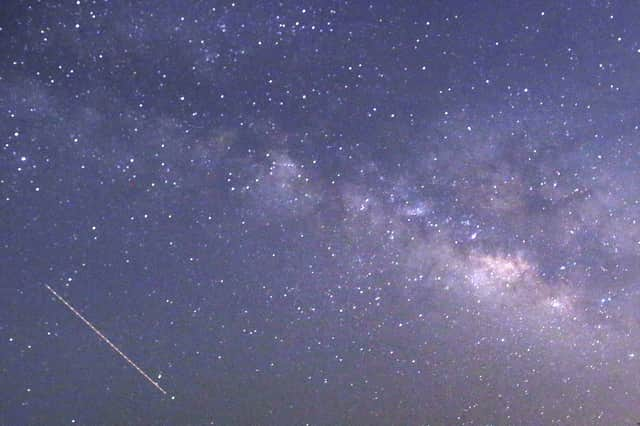

The Met Office is forecasting clear skies for Walsall before and at 10pm, after which it’s predicted to turn partly cloudy - with temperatures of around 6°C and 7°C. Clear skies are forecast for the Long Mynd before and at 11pm, again after which it’s predicted to turn partly cloudy - with temperatures of around 5°C and 6°C.
The best time to see the Lyrid meteor shower
The best time to look for meteors during the peak (22 April) is after the Moon has set - from 2am onwards. By this point, the Earth will have spun towards the cloud of debris, making it easier to spot the Lyrid meteors.
The best direction to look in to see the Lyrid meteor shower
If you are planning to look for the Lyrids before 2am, the BBC writes that it might be best to look to the east or south-east away from the Moon for a darker sky.
Other meteor shower dates in 2026
Eta Aquariids - 19 April to 28 May, date of maximum 6 May
Alpha Capricornids - 3 July to 15 August, date of maximum 30 July
Southern Delta Aquariids - 12 July to 23 August, date of maximum 30 July
Perseids - 17 July to 24 August, date of maximum 13 August
Draconids - 6 October to 10 October, date of maximum 9 October
Orionids - 2 October to November 7, date of maximum 21 October
Taurids - 10 September to 20 November (Southern) and 20 October to 10 December (Northern), date of maximum 10 October (Southern) and 12 November (Northern)
Leonids - 6 November to 30 November, date of maximum 18 November
Geminids - 4 December to 20 December, date of maximum 14 December
Ursids - 17 December to 26 December, date of maximum 22 December
Comment Guidelines
Iconic Media encourages reader discussion on our stories. User feedback, insights and back-and-forth exchanges add a rich layer of context to reporting. Please review our Community Guidelines before commenting.