
‘It’s a grim picture’ - Shropshire farmers lament the ‘second worst harvest on record’ as they suffer from summer heatwave
The county's farmers have said they are facing a “double-whammy” of low yields and flatlining prices, as official figures suggest this year's harvest is set to be among the worst in living memory.

Last week, provisional data from Defra suggested that this year’s harvest is likely to be the second worst since records began.
According to an analysis of the Defra figures by the Energy and Climate Intelligence Unit (ECIU), yields are set to be lower than previous estimates across most crops, making 2025 the second worst harvest since records began in 1984.
It comes as the second poor harvest in a row after 2024, and three of the worst harvests on record this decade.
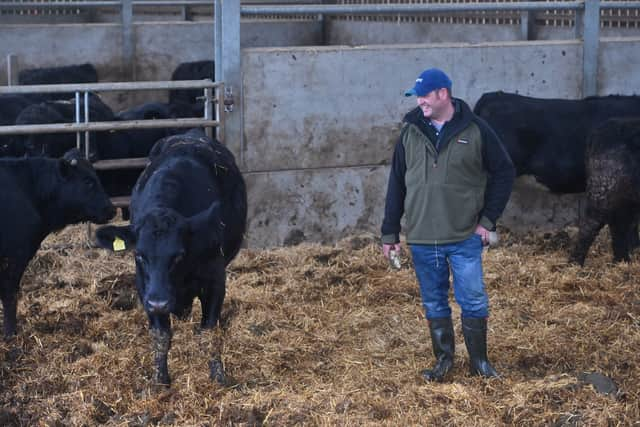

Shropshire farmers say the lack of rain in the spring and summer, which followed a wet autumn and winter last year, is to blame.
Rory Lay who has farmed at Wolverley, Wem for the last 25 years, says the county has been hit very hard.
“Across Shropshire it has been terrible this year. While the quality has been good, the yields have been really down.
“It is completely down to the lack of rain that followed two really wet winters. This is probably the worst cereal harvest we’ve had here in the last 25 years.
“A lot of fields have seen half the yields that we expected.”
He added that while arable farmers are feeling the effects of the poor harvest now, there maybe a knock on effect for livestock producers this winter.
“We grow a lot of livestock fodder but our silage yields are way down.”

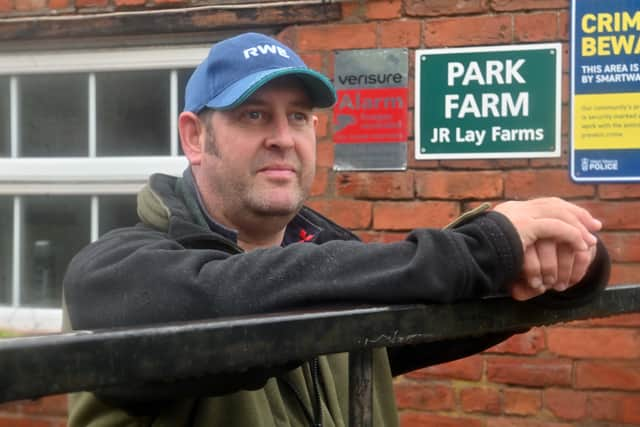
Andrew Williamson who farms in Upper Overton, Bridgnorth added while quantity of crops are down, prices are remaining flat creating a "double-whammy" for UK farmers.
He said: “It is a grim picture. Last year was pretty poor and yields were also down but this year has been much worse I’d say.
“It has probably been the worst harvest in people’s memory around here. The quality is fine but the quantity is way down.
“The flip side of all this is that we are in a global market so we face the double-whammy of having less to sell is year while prices are flat, so in many cases farmers will struggle to recoup the cost of production.”
Farmers have been reaping crops after the country’s hottest spring and summer on record as well as the driest spring in more than 100 years, with five regions of the UK remaining in official drought including the West Midlands.
Provisional data from the Environment Department (Defra) suggests a much worse harvest than experts had so far predicted.
The Agriculture and Horticulture Development Board (AHDB) estimated yields of 7.6 tonnes per hectare for wheat, 6.7 tonnes for winter barley, 5.8 tonnes for spring barley, 5.2 tonnes for oats and 3.7 tonnes for oilseed rape. However, Defra’s figures show yields to be lower than these estimates across all these crops – with 7.0 tonnes for wheat, 6.5 tonnes for winter barley, 5.0 tonnes for spring barley, 4.6 tonnes for oats and 3.5 tonnes for oilseed rape.
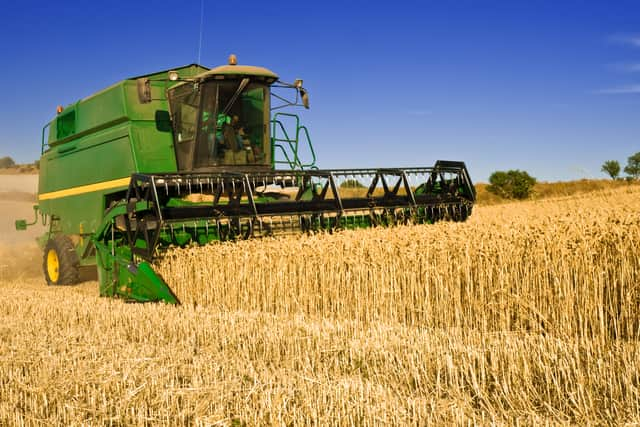
This puts 2025 as the second worst harvest on record, according to an analysis of the Defra figures by the Energy and Climate Intelligence Unit (ECIU).
It comes as the second poor harvest in a row after 2024, which saw heavy rain the preceding winter hitting production of key crops including wheat and oats.
Three of the worst harvests on record have now been seen this decade, with 2020 seeing the worst year and 2024 now bumped into third worst place, the ECIU said.
Tom Lancaster, land, food and farming analyst at the Energy and Climate Intelligence Unit, said: “This harvest is even worse than expected and marks a second successive poor harvest, following on from one of the worst harvests on record last year after incredibly heavy rainfall, made worse by climate change.
“We have now seen three of the five worst harvests on record this decade after extreme weather, telling a story of escalating climate impacts that farmers are unable to cope with.
“This is what farming with climate change looks like, as extreme weather wrecks harvests, hits farm incomes and reduces our food security.”
The Defra figures suggest overall yields fell below the five-year average, although this varied between regions.
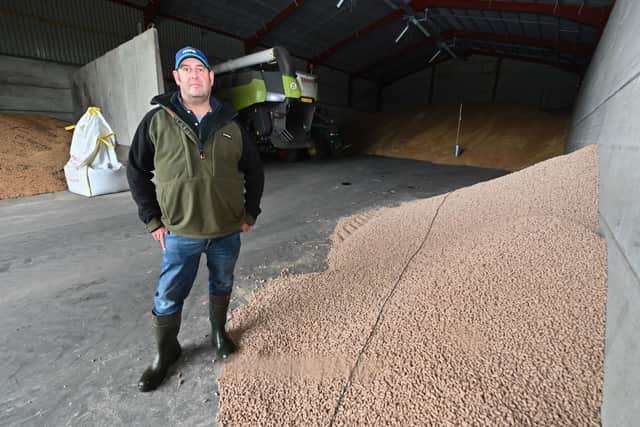
In terms of the overall amount harvested, wheat yields were up 4.9 per cent from 2024 but this was mainly due to an increase in the area of land used to grow the crop.
Barley estimates were down 14 per cent on last year and oats were down 2.3 per cent on 2024, despite an increase in the land area used.
Widespread drought conditions have not only hit crop yields this year but affected the breeding patterns of some animals, harmed wetlands and river ecosystems, increased the wildfire risk and prompted several areas to impose hosepipe bans.
Jamie Burrows, of the National Farmers’ Union, said: “It’s very clear that an increasing unpredictable climate and extreme weather is making it much harder to produce food.
"Growing crops in the UK is increasingly challenging due to the unpredictable weather. That’s why investment is key to increase productivity and support resilient, sustainable arable farming businesses, while funding is needed for climate adaptation and resilient crop varieties to safeguard our ability to feed the nation.”
Comment Guidelines
Iconic Media encourages reader discussion on our stories. User feedback, insights and back-and-forth exchanges add a rich layer of context to reporting. Please review our Community Guidelines before commenting.