
Tributes to Ironbridge pioneer Sir Neil Cossons as we look back at his career
Sir Neil Cossons, the first director of the Ironbridge Gorge Museum who transformed it from a collection of dispersed local heritage sites and industrial relics to an internationally acclaimed attraction, has died at the age of 87.
Sir Neil went on to become a towering and highly influential figure in the heritage and museums movement, holding various top posts, including being appointed chairman of English Heritage in 2000.
Hailing originally from Beeston, near Nottingham, his passion for the past was inspired by his father Arthur, himself a pioneer in local history.
Neil had posts at various museums before coming to Ironbridge in October 1971 to head the fledgling museum based in the birthplace of the Industrial Revolution.
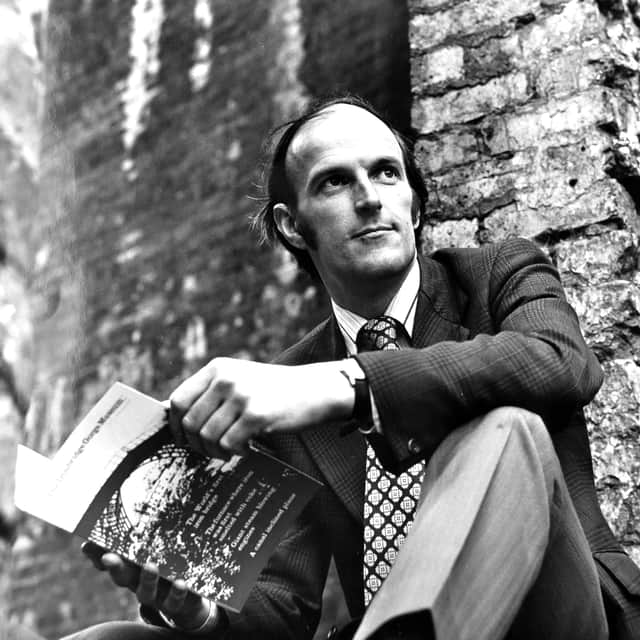

Local visionaries who saw the potential of the industrial heritage of the Ironbridge Gorge had already begun the process of turning it into a major tourist attraction, based mainly on the Blists Hill site. However, it looked doomed to fail through lack of staff and money. The Museums Association stepped in and recommended that it needed a museum professional. Enter Neil Cossons - his knighthood would come in 1994 - an expert in the then comparatively new speciality of industrial archaeology.
He steered it through the crucial early years with great success in a 12-year tenure which included key stepping stones such as the official opening of Blists Hill Open Air Museum on March 31, 1973, and the opening of Coalport China Works Museum on July 23, 1976.
Evidence that he was on the right track came in 1977 when the museum won the Museum of the Year Award, and then in 1978 the European Museum of the Year Award.
Also in 1978 he received a personal pat on the back when he received the Midlander of the Year Award, the first person from Shropshire to be so honoured since the scheme had been introduced nine years before.
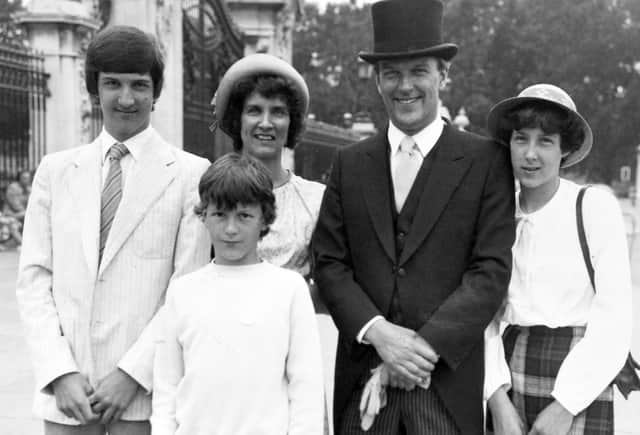
And although he had moved on by the time it came, the ultimate accolade for the process he set in train came in 1986, when the Ironbridge Gorge was designated a World Heritage Site by UNESCO, putting it on a par with the Egyptian pyramids in terms of global heritage importance.
Sir Neil, who was made an OBE in 1982 for his pioneering work at Ironbridge, had become a hot property in the museums world and was in 1983 appointed director of the National Maritime Museum at Greenwich, and then in 1986 took charge of the Science Museum in London.
He became chairman of English Heritage in April 2000, taking over from Sir Jocelyn Stevens, and among successes under his leadership was the acquisition of Ditherington Flax Mill in Shrewsbury, the forerunner of modern skyscrapers. He was twice persuaded to extend his five-year term, finally retiring after seven years in the post. Sir Neil wrote various books and papers, mainly on industrial history. Among a multitude of heritage-related roles and posts, he was elected president of the Museums Association in 1981.
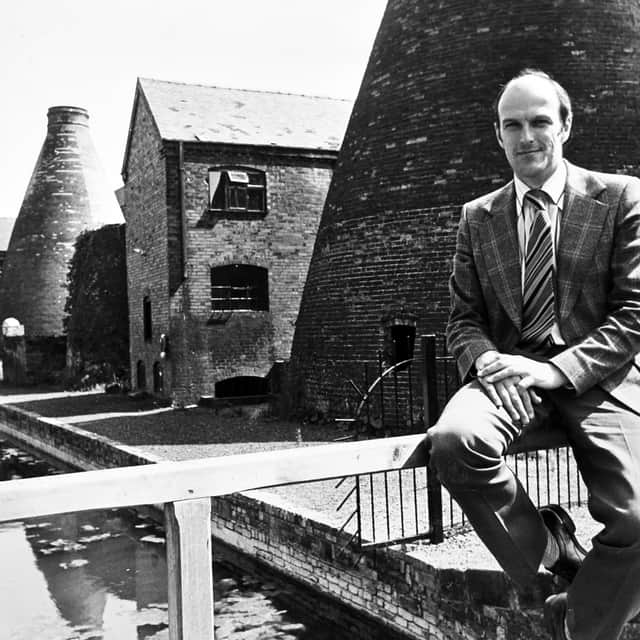
Married to Veronica and with three children, he lived in Ironbridge and later, Rushbury, near Church Stretton.
Tributes have come from across the sector. Writing on LinkedIn, Andrew Lovett, the chief executive of the Black Country Living Museum, said Cossons was “an inspirational figure in the world of museums, heritage and engaging people in history,” while Steve Miller, the head of Norfolk Museums Service and president of the Museums Association, wrote: “Neil had such an impact on the museums and heritage sectors in so many ways. A visionary leader and a great advocate whose wit and tremendous knowledge will be long remembered. He will be greatly missed.”
Comment Guidelines
Iconic Media encourages reader discussion on our stories. User feedback, insights and back-and-forth exchanges add a rich layer of context to reporting. Please review our Community Guidelines before commenting.