
I visit a Shropshire village which dates back to the Domesday book to uncover reason behind its puzzling name
The north Shropshire village is one of my new favourite places and it’s got a pretty cool name too - you should get over and visit
“Ruyton what?”
“It’s called Ruyton-XI-Towns, you idiot.”
“Oh, so it is a town then?”
“No, don’t be silly, it’s a village.”
“What? Why has it got town in its name then, and what’s with the number eleven too?”
“(The sound of silence).”
This is how I imagine a conversation about the name of Ruyton-XI-Towns goes for most people - partly because it is inspired by my own research process for this article.
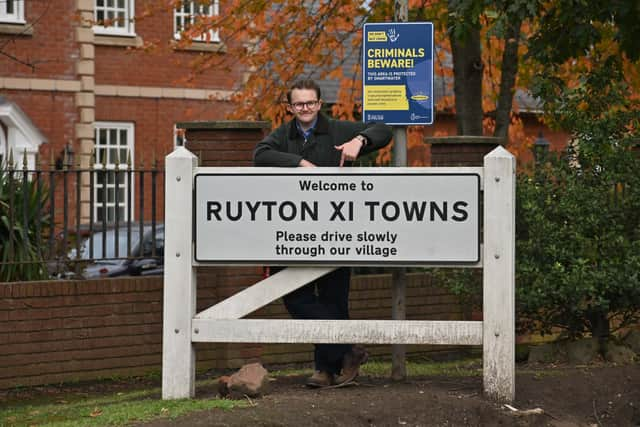

Famous for being the only village in the United Kingdom to have Roman numerals in its name, Ruyton - as it can be thankfully shortened to - sits in north Shropshire, about a half an hour drive from the county town, Shrewsbury.
Its rather authentic, but intriguing, name - something that I imagine comes up a lot in pub quizzes across the country - has been a matter of interest for tourists, as well as regular locals, for generations.
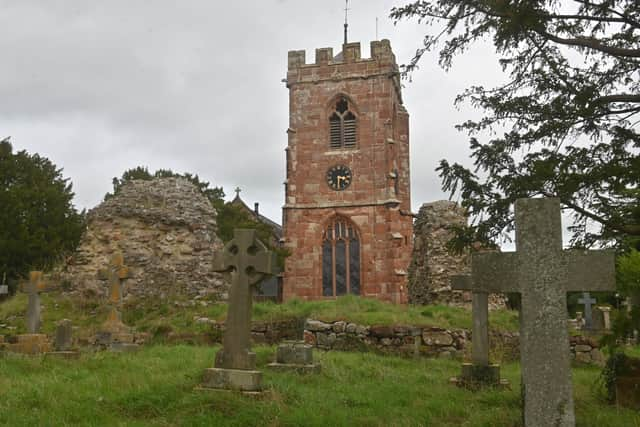
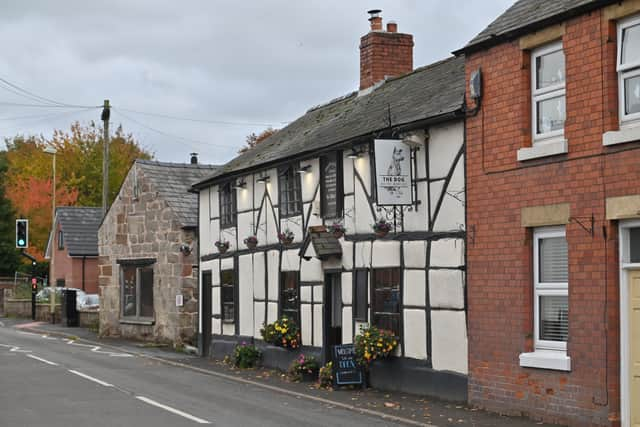
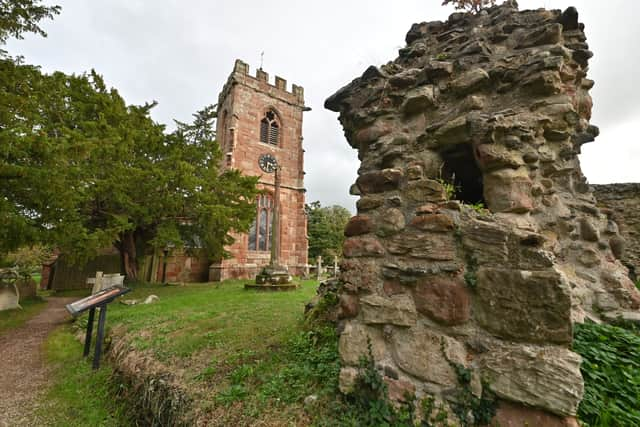
The village is home to around 1,200 people, according to the last Census, but unlike many other small-ish settlements in the county, it still boasts a pub, a convenience shop, a garage, and a rather delightful little café (Café Eleven - it’s got great coffee at a good price). Oh, and I forgot about the castle ruins which sit in the cemetery grounds of the village’s 12th century church. They’re pretty cool to have a look at if you’ve got time.
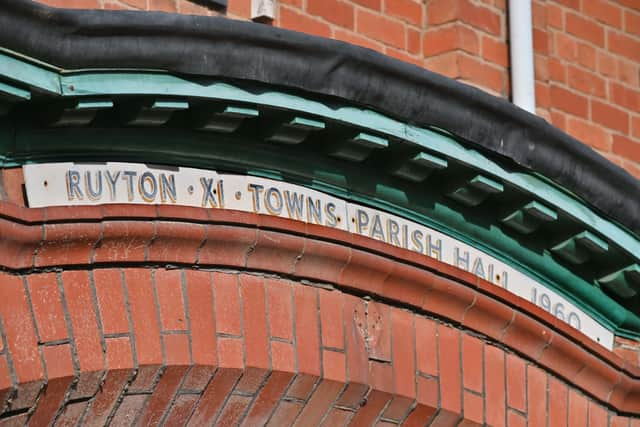
Sir Arthur Conan Doyle, the author of the Sherlock Holmes tales, famously said that Ruyton was “not big enough for one town, far less eleven.” The famed writer and physician - who wasn’t a bad cricketer either - lived and worked in the village briefly in the late 19th century. Sadly, I don’t think our mate Conan Doyle fell for Ruyton’s charm… (bully for him).
I loved my afternoon in the quaint village. Its people - well, those I came across - were lovely. And it had the vibe of a village that might appear in an Agatha Christie novel (in a good way).
But where does the village get its very interesting and unique name from?
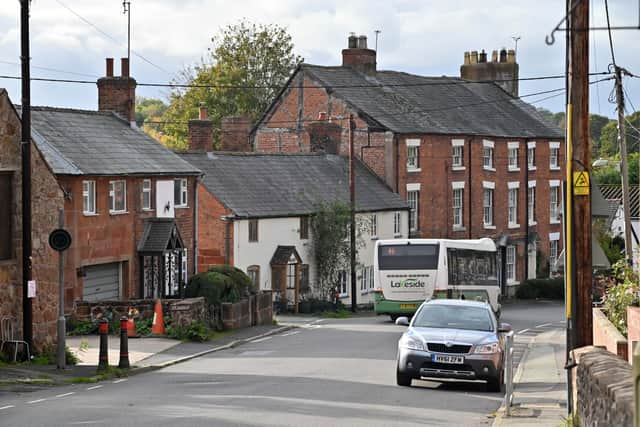
Well, the settlement’s history dates all the way back to the Domesday Book of 1086. But according to the village’s history society, the location got the name we recognise today in the 12th century. During the period, Ruyton became the centre of eleven local townships. So, as a result, it became Ruyton-XI-Towns (or Ruyton of the Eleven Towns).
The eleven ancient townships were Coton, Eardiston, Felton, Haughton, Rednal, Ruyton, Shelvock, Shotatton, Sutton, Tedsmore, and Wykey. However, some of these now are little more than clusters of buildings, unlike Ruyton.
When I was in Ruyton for the afternoon, I caught up with Anne Mitchell, the current chairperson of the village’s parish council.
Asked about what it is like to live in a place with such a historic and unique name, Anne said: “It is an honour to be a part of this village. It is a quiet, peaceful, friendly place to live.
“I am what they call a newcomer - I have only been here 28 years - but I have been welcomed into the community.”
She added: “It is just a generally inclusive place to live really.”
Talking about if she ever experiences any confusion about the name from those who are not familiar with it, Anne said: “Well, yeah, they say, ‘pardon?’ quite a lot. And they will come and say ‘Ruyton what? How do you spell Ruyton? How do you spell eleven?’”
The parish council chairperson added: “I think the village name itself, if you go somewhere outside Shrewsbury and say I live in Ruyton-XI-Towns, they go, ‘what?!’
“It is quite a unique name and one that I think villagers are quite proud of.”
In 2008, the township celebrated its 700-year anniversary from when King Edward II granted the location its borough charter.
The charter gave the township similar powers to the then new town of Bristol - obviously, Ruyton did not go the same way as Bristol… it is better, some could argue. We can all blame our noisy neighbours in Wales for Ruyton’s slow growth over the centuries. Welsh raids plagued Ruyton for many years in the medieval period.
In 1886, in a horrific act of parliament, those pesky politicians in Westminster stripped Ruyton of its borough status - simply outrageous! Oh well, despite Ruyton not fulfilling the ambitions of its borough status like Bristol, at least the village’s residents don’t have to deal with those legal e-scooters which run riot in the south west town nowadays.
Thanks to my little outing to Ruyton, not only do I now have a useful bit of knowledge ready and waiting to answer the ‘which UK village has Roman numerals in its title?’ question at the next pub quiz I attend, but I also have a new favourite place to revisit.
Also, it feels good to know that when I am next in a conversation with somebody that’s similar to the one detailed at the beginning of this article, I can be reassured that there will be absolutely no ‘sound of silence’.
Comment Guidelines
Iconic Media encourages reader discussion on our stories. User feedback, insights and back-and-forth exchanges add a rich layer of context to reporting. Please review our Community Guidelines before commenting.