
One year into construction, how is Shrewsbury hospital's multi-million-pound redevelopment taking shape?
Today marks one year since work began on the redevelopment of the Royal Shrewsbury Hospital - and we got a tour to see what's changed.
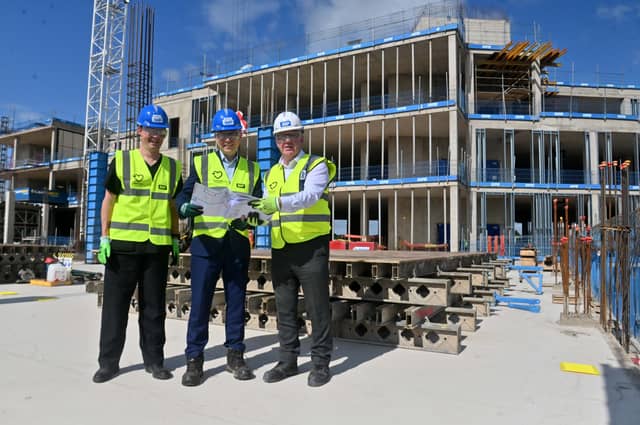


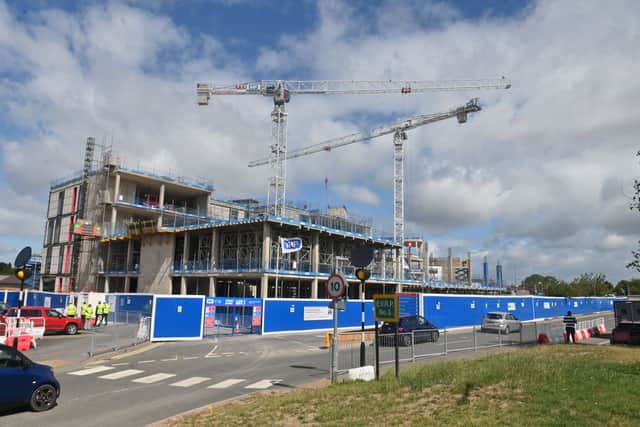
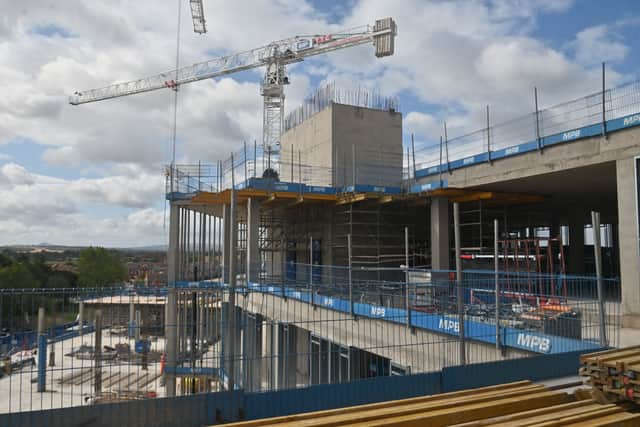
It was on August 6 last year that work first began on the construction of a huge new four-storey building at the Royal Shrewsbury Hospital, which will one day transform hospital services right across the county.
Once complete, the new building will house - among other things - maternity and women's services along with children's and critical care facilities. The project will also see a complete remodel of the existing emergency department.
It means that the Shrewsbury hospital will become the go-to site in Shropshire for emergency care, leaving the Princess Royal Hospital in Telford to focus on planned care.
In NHS-speak, 'planned care' includes services that are scheduled in advance and encompasses a range of treatments and procedures, such as elective surgeries, outpatient appointments and diagnostic tests.
"It's going to make a massive difference to healthcare across Shropshire," said emergency medicine consultant Dr Ed Rysdale, who is working as clinical lead for the Hospitals Transformation Programme.
"All of our acute specialities will be together on one site, so patients will be able to see the right specialists sooner, the decisions we make will be made earlier, and hopefully their length of stay will be shorter as well.

"It also means the right care will be over in Telford too, with all of our planned care ring-fenced without emergencies running alongside it, so there will be far fewer cancellations and our elective care can happen in a seamless way."
But all that transformation is a little way off at the moment with the new building expected to be completed and operational by the end of 2028.
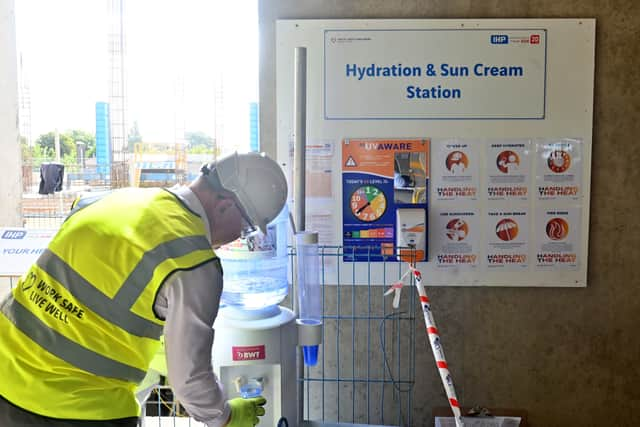
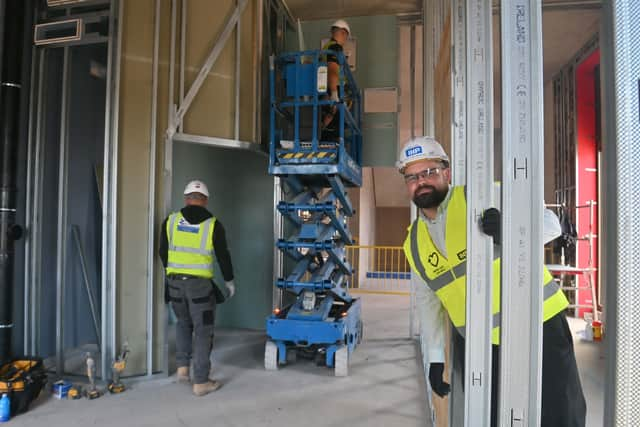
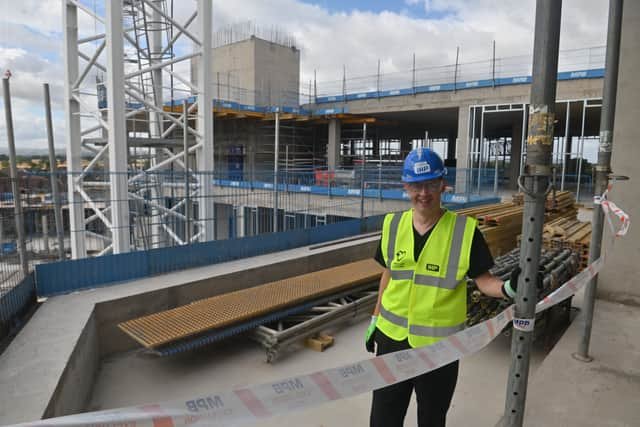
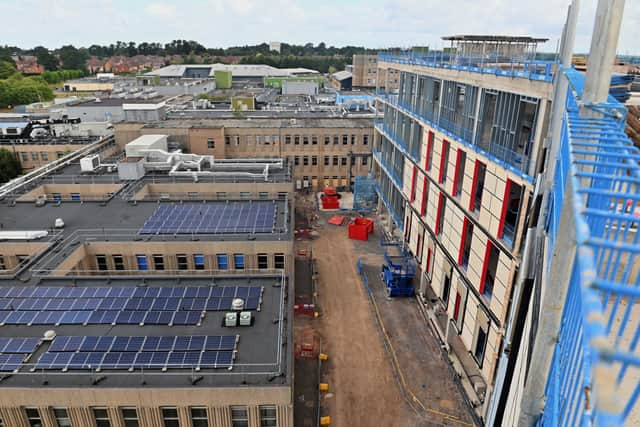
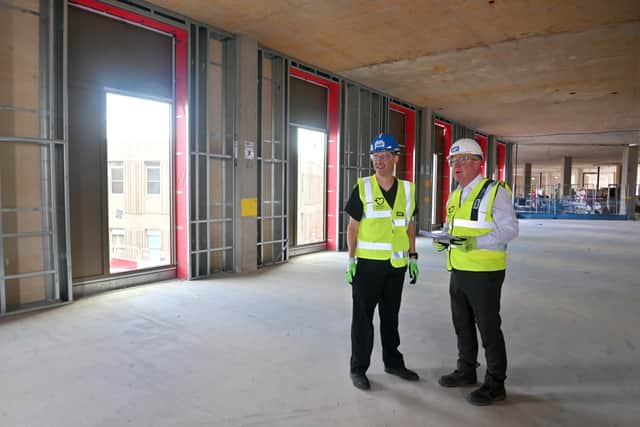
This week, as the Shrewsbury and Telford Hospital NHS Trust (SaTH) and its contractor Integrated Health Projects (IHP) marked one year since construction began, we were offered a tour of the site.
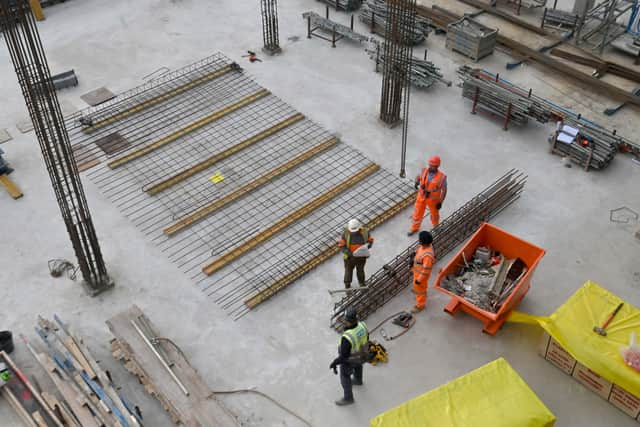
So far, a quarter of a million man-hours have been put into the project by around 175 staff within the IHP team.
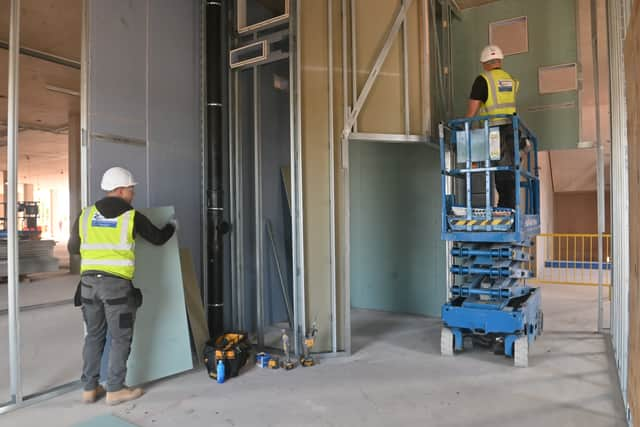
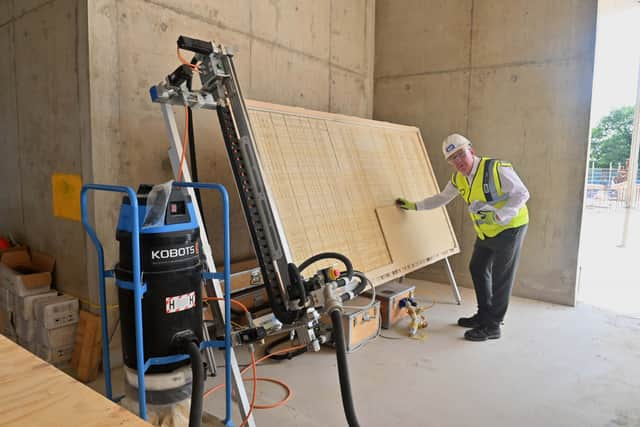
Sean Delaney, project director, anticipates that will increase to around 500 members of staff by the end of the project.
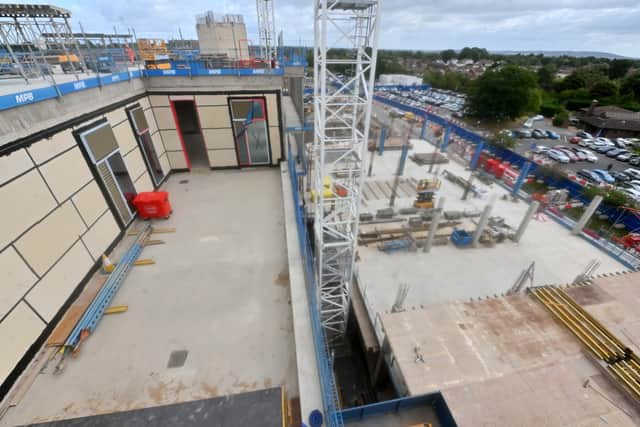
Despite only around 50 per cent of the new structure having been built so far, it's hard to properly describe how massive it already feels.
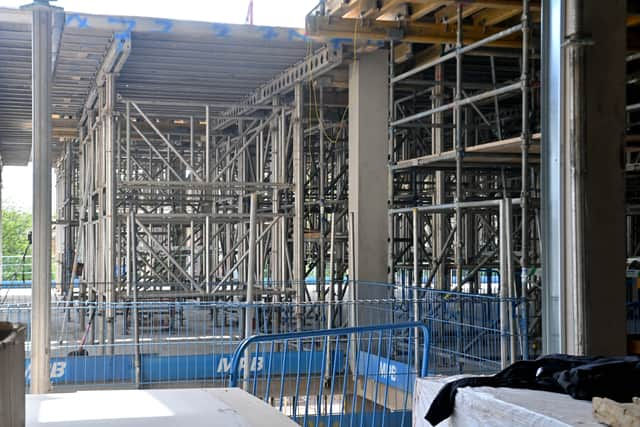
Dr Rysdale said: "With modern medicine, everything needs to be bigger - for a good reason, it's infection control. It means we're going to have a much, much better space for patients."
Part of that extra space is the addition of a 'sky deck' in the critical care unit.
The garden, three floors up, will allow some of the hospital's sickest patients to spend some time in the open air - something that's not currently easily available for intensive care patients.
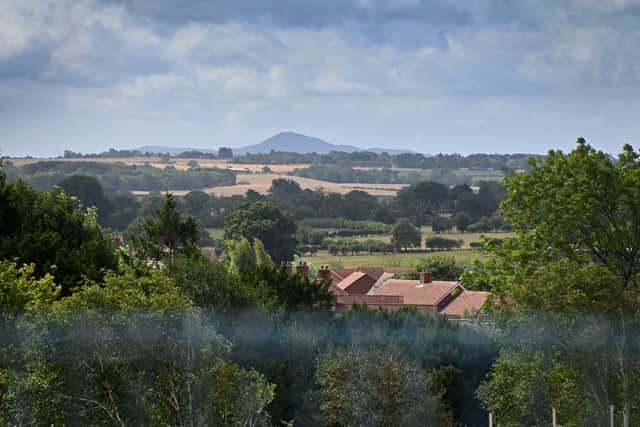
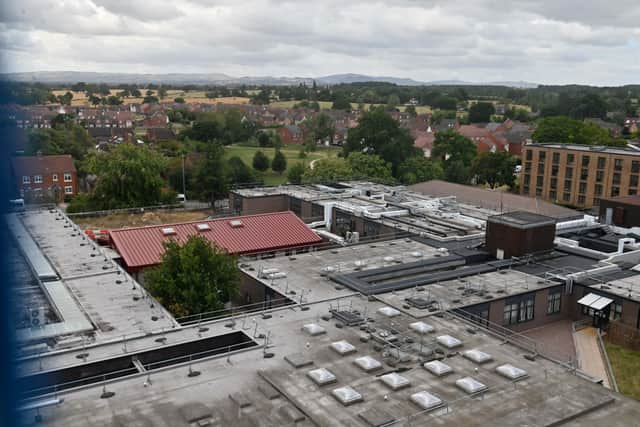
A lot of the design and layout decisions have been made alongside the nurses and doctors across the trust that will eventually work in the building.
"The clinical aspect is clinically-led," said Dr Rysdale. "They're the ones that have got to use it every day.
"But patients have been involved too - we've had focus groups where we've looked at what we can do to improve the design.
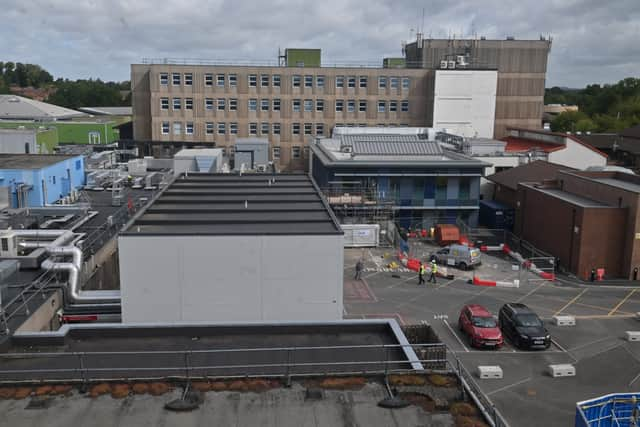
"The front entrance has been modified based on patient feedback. We were going to have one big front door, but patients said they would like a door for the emergency department and the normal hospital, so that has been changed."
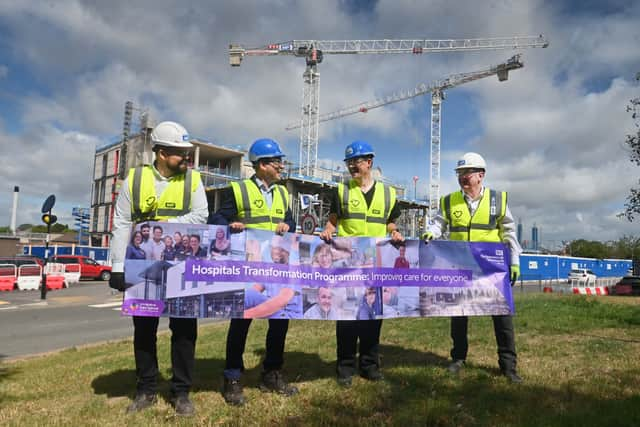
Matthew Neal, director of the Hospitals Transformation Programme at SaTH, said that the support of the local community is a major part of the project.
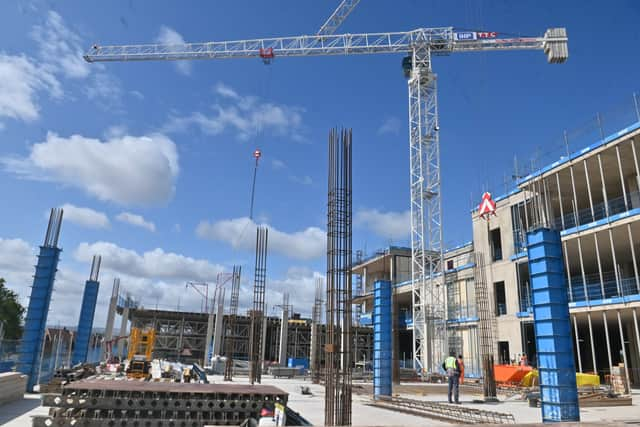
Alongside issuing regular updates, the team have been hosting quarterly neighbour events.
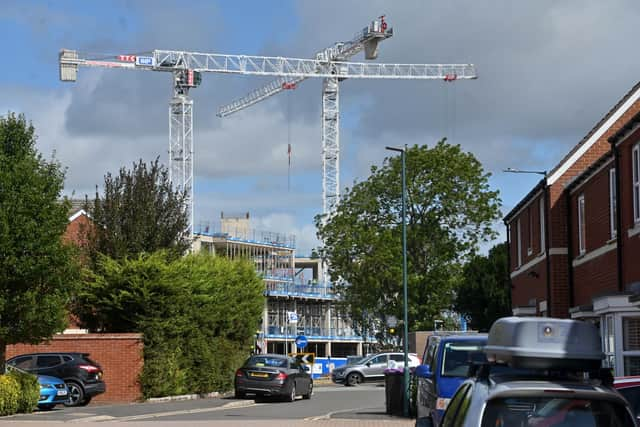
"They've been really good to us," said Mr Neal. "There's a lot of disruption that a big build like this can cause, and I have to thank them for their patience.
"Our neighbour events have been well attended, and when they've raised issues we've reacted to them.
"One of the things we've done is create an internal road system within the compound to keep the construction traffic separate from the roads and the rest of the hospital."
And until August 15, the public can still help shape the new building - by voting on colour schemes and the naming conventions of locations and departments.
The public are being given a choice of rivers (i.e. Severn, Clun, Teme), castles (Whittington, Apley, Ludlow) or hills (Long Mynd, Wrekin, Ercall).
A vote is also being held to chose a colour palette - with the public asked to choose between palettes influenced by local landscapes and artwork.
While the structure should be completed by the end of next year, internal work will continue until early 2028.
A subsequent transition period for all of the departments means the whole facility - if the project stays on track - is likely to be operational by the end of that year.
Comment Guidelines
Iconic Media encourages reader discussion on our stories. User feedback, insights and back-and-forth exchanges add a rich layer of context to reporting. Please review our Community Guidelines before commenting.