
Measles cases drop dramatically as jabs rise
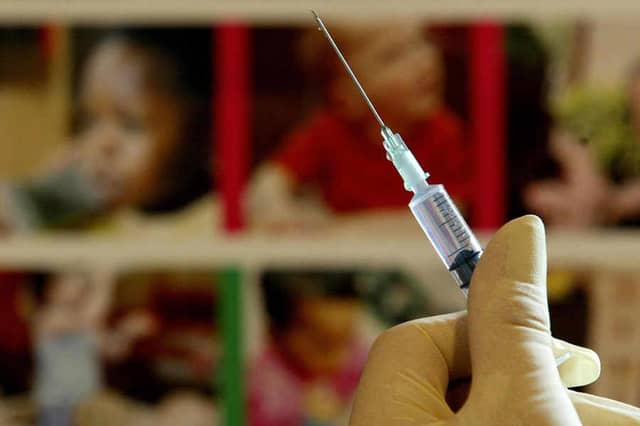

The number of measles cases across Shropshire has fallen sharply following a programme to vaccinate youngsters who missed out on their jabs when they were toddlers after the jab was mistakenly linked to autism.
New figures show there were no new cases of the disease in the Shropshire Council area in June and one in Telford & Wrekin – a third of all cases throughout the West Midlands.
Between March and May there were 12 in Shropshire and 12 more in Telford & Wrekin – nine in May alone.
The figures come as data from Public Health England revealed that almost 70,000 children who never received the MMR jab when they were youngsters have now been fully vaccinated.
Research published in 1998 suggesting a link between the combined measles, mumps and rubella vaccine and autism led to a dramatic decline in the number vaccination.
The study, led by Dr Andrew Wakefield, has since been discredited by numerous scientists around the world.
The new data, taken from around 2,000 general practices in England, shows that almost 60,000 previously unvaccinated children aged 10 to 16 have now had been given dose of the vaccine. Overall, 67,000 have had two doses.
But officials are still keen to target hundreds of thousands more children who have never had the MMR vaccine or only had one dose.
The overall aim is to vaccinate around 300,000 10 to 16-year-olds who have never had the MMR jab at all.
Thousands more in this age group have also only had one dose.
Dr Musarrat Afza, Public Health England West Midlands consultant in communicable disease control, said: "While it's too early to say the MMR catch-up campaign is responsible for the declining number of measles cases, we can say definitively that children who have not had the measles, mumps and rubella vaccine remain at high risk of catching the disease.
"We urge parents of children that haven't had the MMR vaccine to contact their GP and get them vaccinated."
Long term plans for tackling measles will involve improving and sustaining the high coverage of MMR for younger children and also implementing routine catch-up opportunities for older children; for example when they are changing schools or receiving other teenage booster vaccinations.