
Ambulance service to recruit 250 emergency workers to meet 999 call rise
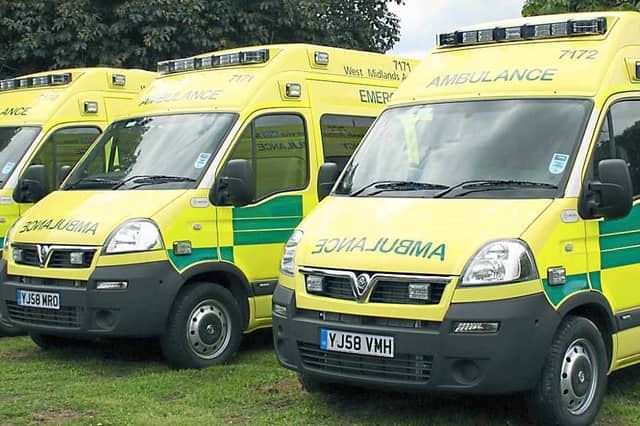

More than 250 frontline staff are being recruited by West Midlands Ambulance Service in the next year in a bid to meet soaring emergency calls in the region, it has been announced.
Despite being the third lowest funded ambulance service in the country, chief executive Anthony Marsh told an annual board meeting last night it would continue to prioritise funding for training and recruitment of paramedics.
He unveiled a plan for the service, which operates in Shropshire and the wider West Midlands, to recruit 264 extra frontline workers in this financial year. This compares to 87 taken on in the last financial year.
About 80 will come from university, 100 will be in-training paramedics and the rest will be fully qualified paramedics.
It is part of a move to increase the proportion of paramedics from 60 per cent to 70 per cent.
It also aims to reduce the cost of staff overtime and use of other agencies, which have helped the service deal with a 6.5 per cent rise in emergency calls over the last financial year.
Mr Marsh told the meeting at Villa Park, Birmingham, that the ambulance trust had gained greater freedom to improve after being awarded foundation trust status this year.
He said that despite financial pressures the service had continued to provide a high number of training days.
He added: "We have also continued to recruit new staff.
"We have been able to achieve all of that despite being funded below the national average.
"I think that is a real tribute to all our staff."
Murray MacGregor, communications director for the service, said: "It makes sense to have enough staff to meet demand rather than paying extra for staff overtime during busy periods."
Over the last financial year, the ambulance service met Government targets in reaching emergency and non-emergency calls.
The service spent £205 million and made a surplus of £3.9m, despite losing £1.6m from January to March.
The ambulance service employs more than 4,000 people and runs 800 ambulances, response cars and specialist vehicles. It is also supported by more than 1,000 volunteers.