
Bird flu confirmed in Shropshire: Where is the 'protection zone', what are the rules and what has the Government said?
Bird flu has been confirmed in commercial poultry at a premises in Shropshire, prompting a 3km 'protection zone' to be announced.
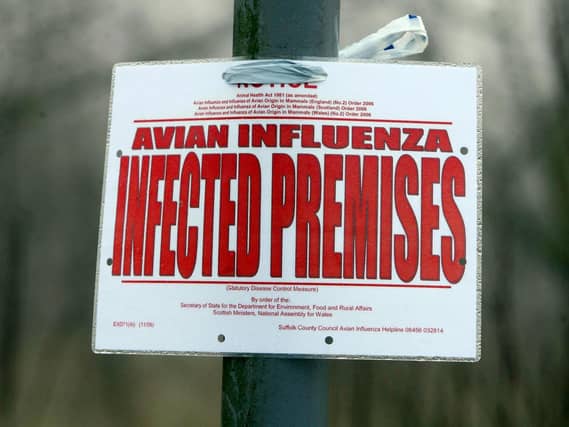


All poultry on the affected premises near Wem will be humanely culled after the H5N1 strain of the disease was detected.
It brings the number of confirmed cases of highly pathogenic avian influenza (HPAI) during the current outbreak in England to 19 - but it is the first in the region.
A 'protection zone' with a 3km radius has been established near Wem, surrounded by a 10km 'surveillance zone' extending into Wales.
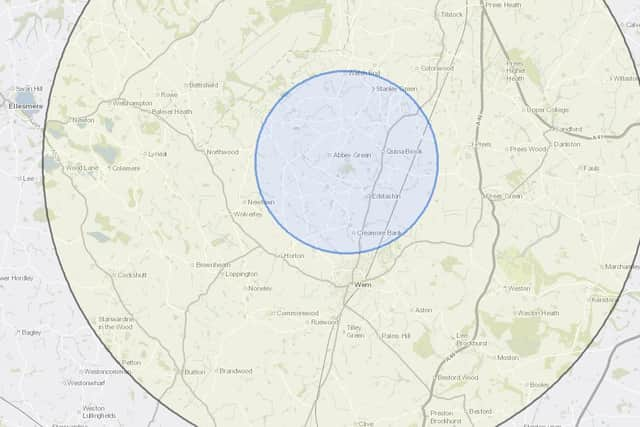
Within the protection zone, anyone who keeps poultry or other birds must: take biosecurity measures to reduce the risk of disease spreadng; make records of people and poultry entering their premises as well as the movement of any eggs; ensure birds are housed or kept isolated and not removed from the premises unless authorised by a veterinary inspector; not dispose of any carcasses without authorisation; and clean and disinfect vehicles to transport birds, meat, feed, manure slurry or any other potentialy contaminant.
Premises within the surveillance zone must also record the movement of people, animals and material.
Read the full list of rules here.
Farmers can check what zone they are in on the Department for Environment, Food & Rural Affairs's (DEFRA) interactive map.
Government advice says that in all disease control zones, you must:
- Follow the biosecurity rules to prevent bird flu and stop it spreading
- Keep a record of anyone that transports or markets poultry or poultry eggs
- Follow the rules for marking, sourcing, cutting, transporting and storing fresh meat and meat products
- Comply with any biosecurity rules imposed by a veterinary inspector
- Not organise or attend bird gatherings
- Not release game birds
New mandatory housing measures for kept birds were introduced across the East Riding of Yorkshire, City of Kingston Upon Hull, Lincolnshire, Norfolk and Suffolk, last month following a decision by ministers after advice from the United Kingdom’s chief veterinary officer.
The enhanced measures were in response to the escalating local risk and number of cases of bird flu in that area.
It meant that from December 23, all bird keepers in East Riding of Yorkshire, City of Kingston Upon Hull, Lincolnshire, Norfolk and Suffolk whether they have pet birds, commercial flocks or just a few birds in a backyard flock were told to keep their birds housed to protect them from bird flu.
The measures were in addition to a requirement to follow the stringent biosecurity measures in force across the area since December 13 as part of the Avian Influenza Prevention Zone.
At the time, UK chief veterinary officer Christine Middlemiss said: "There continues to be a growing number of bird flu cases on commercial farms and in backyard birds across East Riding of Yorkshire, City of Kingston Upon Hull, Lincolnshire, Norfolk and Suffolk.
"We have taken action to try and prevent the further spread of disease and urge bird keepers to comply with the new housing measures.
"Bird keepers must continue to exercise robust biosecurity measures, remain alert for any signs of disease and report suspected disease immediately to the Animal and Plant Health Agency."
DEFRA has given the following advice with regards to bird flu disease control zones:
"By law, you must follow the rules for the disease control zone that you’re in.
"If bird flu is suspected, 3km and 10km temporary control zones may be put in place around the infected premises. If bird flu is confirmed, disease control zones are put in place around the premises to stop it spreading."
When a case of highly pathogenic avian influenza (the most serious type of bird flu) has been confirmed in poultry or other captive birds, controls are put in place around the infected premises - a 3km protection zone and a 10 km surveillance zone or a 3km captive bird (monitoring) controlled zone.
When a case of low pathogenic avian influenza (the less serious type of bird flu) has been confirmed in poultry or other captive birds, a 1km restricted zone may be put in place around the infected premises.
Sometimes larger zones are put in place to reduce the risk of bird flu spreading.
Government advice says: "There are specific rules for each disease control zone.
"You can find these in the declarations on the disease cases and control zones finder. Disease control zones continue to apply until they’re withdrawn or amended by a further declaration.
"Disease control zones are only lifted when all the disease control and surveillance activities within the zone have been completed."
Comment Guidelines
Iconic Media encourages reader discussion on our stories. User feedback, insights and back-and-forth exchanges add a rich layer of context to reporting. Please review our Community Guidelines before commenting.