
Mike Lockley on badgers – are they a wonder of nature or a disease-spreading pest?
In a violent, dangerous world, the news has become a mere footnote for media outlets swamped by terrible tales of human slaughter, starvation and brewing conflict.


It is a story deemed too insignificant to make the 10 o’clock news. Yet, for the West Midlands, it is significant.
For lovers of nature, it is considered a hammer blow.
This month, our government dramatically shifted its stance on culling badgers to combat bovine TB, a disease that has blighted British cattle herds.
Despite a 2021 pledge to phase out the slaughter and phase in the vaccination of badgers and cattle, the cull could continue – and continue with a vigour not known since the scheme was introduced 11 years ago.
The introduction of target culling, or, to use its scientific name, “epidemiological culling”, in hot spots will see the resident badger populations near wiped out. Until now, the figure was capped at 70 per cent.
And there’s no end date. Culls will continue until the disease is considered under control, then replaced by vaccination programmes.
Far from falling silent, in some areas the guns will ring out louder than ever. The cull, once considered yesterday’s news, is very much today’s news.
It is bad or, if you are a cattle farmer, good news for our region. A map included in the Department for Environment, Food and Rural Affairs’ consultation document identifies the West Midlands, Staffordshire and Shropshire as high risk bovine TB areas.
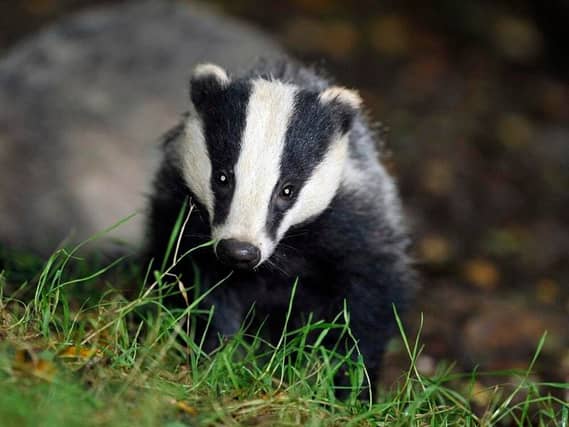
The controversial cull has already taken a heavy toll on brocks, though figures since 2013 vary between pro and anti lobbies.
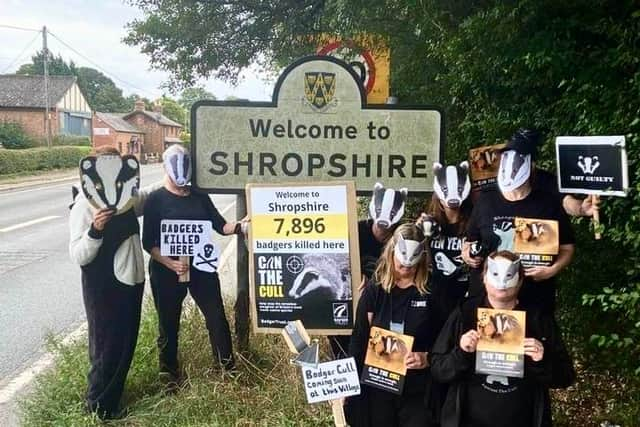
The Badger Trust say 260,000 have been killed – half this country’s population. Shropshire has been hit particularly hard, with 4,000 shot every year from 2020 to 2022.
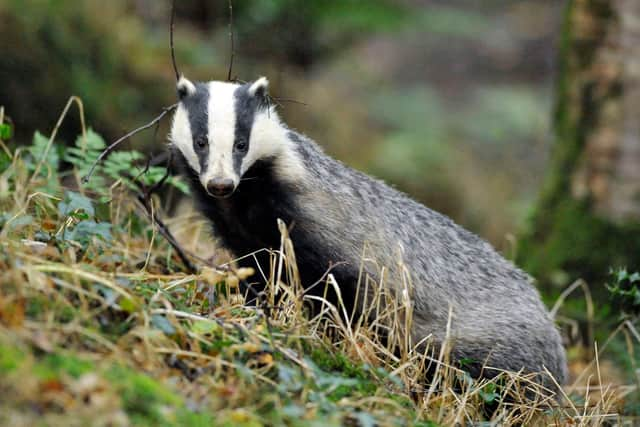
Since the cull began, around 14,000 badgers have been wiped out in Staffordshire, calculates the Staffordshire Wildlife Trust.
In all, there are around 70 death zones in the West Midlands.
My area – a rural haven straddling the Shropshire and South Staffordshire border – has, in the past, been targeted.
It is government sanctioned wildlife eradication on a colossal scale, dubbed a “catastrophe” by Badger Trust executive director Peter Hambly.
“The badger cull is the most toxic wildlife management strategy in Britain’s contemporary history,” said Mr Hambly. “The first thing this year’s new badger cubs will see when they come out of their sett is a gun.”
Emotive words, but is such a radical step needed to save England’s herds from the agonies of TB?
More importantly, has it worked?
It appears a definitive answer remains elusive, despite badger carcasses still being piled high.
Those opposed to the cull say there is not a jot of scientific evidence to support it. It is, they stress, ineffective because bovine TB does what it says on the tin. It is, primarily, transmitted by cattle to other cattle.
Badgers are merely bit part players, responsible for less than six per cent of infections.
And they have accused Prime Minister Rishi Sunak of pampering farmers in a bid to secure votes.
Defra provide statistics to support their stance – and those statistics are compelling. In its March 14 consultation document about the latest phase, the department states: “The government’s strategy to eradicate bovine TB in cattle by 2038 has followed the science to turn the tide on this insidious disease.”
It is, Defra declares, a war being won.
The number of new bovine TB cases during a 12 month period from September, 2022, was at a 20 year low.
The first 52 zones to feel the cull’s full force have seen a 56 per cent reduction in the disease.
But there is still work to be done, Defra stressed. In 2022 alone, 22,084 infected cattle had to be put down.
This month, Environment Secretary Steve Barclay voiced his loud support for the continued killing: “Bovine TB has taken a terrible toll on farmers, leading to the loss of highly prized animals and, in the worst cases, valued herds.

“There are no easy answers in the battle against TB, but badger culling has proved highly effective and needs to remain a key part of our approach.”
Culling is too easy an answer, critics maintain. It’s not even an answer and it comes with a hefty financial burden. In the first 10 years, the initiative cost £58.8m. The disease, itself, costs the taxpayer around £100 million per annum.
The government’s U-turn on this countryside hot potato has stunned conservationists. The political landscape has evidently changed dramatically and, with a General Election looming, some say the move has been made to secure rural votes.
Back in 2021, then Environment Secretary George Eustace unveiled plans to stop issuing new cull licences, telling the House of Commons: “Culling badgers indefinitely is not acceptable.” 2026 was the proposed date for total closure on the killings.
For whatever reason, eradicating badgers appears a little more acceptable than it did three years ago. Defra has softened its latest announcement by pledging: “The strategy builds on our investment in wider scale badger vaccination, which is now much more of a reality, with more farms involved in vaccination programmes than ever before.”
It’s done little to appease anti-cull campaigners.
“Sunak wants all the badgers dead,” said ecological consultant Tom Langton.
“It is a political fig for a British farming industry that refuses to address the underlying cause of bovine TB in cattle herds,” said former Badger Trust CEO Dominic Dyer.
“Less than one per cent of badgers killed have been tested for bovine TB and of this small number only around five per cent showed a level of infection that could lead to the disease spreading to other badgers and possibly cattle.”
He added: “If the government is serious about reducing bovine TB in cattle in a way that benefits farmers, taxpayers and wildlife it needs to stop playing the badger blame game and push the farming industry to take its disease control responsibilities more seriously.”
It wasn’t until 1971 that badgers were discovered to carry bovine TB – and they are not the only animals to spread the disease. Dogs, cats, sheep and deer are also carriers.
Tainted slurry smeared on fields has also been a key contaminant, it is claimed.
TB among cattle herds was not a real issue until the aftermath of a major 2001 foot and mouth outbreak. Widespread movement of livestock to replenish farms saw infection numbers surge.
The cull just hasn’t worked, a study by scientists opposed to it and published in the Veterinary Record Journal concluded.
Study co-author Dr Mark Jones said: “Our analysis confirms the conclusion of scientists who oversaw extensive government research conducted between 1998 and 2005, that badger culling can make no meaningful contribution to the future control of cattle TB in Britain. There is no justification for killing any more badgers.”
The government issued a “they would say that, wouldn’t they?” response. The findings fit a “campaign agenda”, said a spokesperson.
It can’t be a solution, says Staffordshire Wildlife Trust. “It is an ineffective tool in the fight against bovine tuberculosis,” a spokesperson said. “We want to see badgers and cattle vaccinated.”
“The new proposals to kill 100 per cent of badger populations in some areas of the UK is unethical and unscientific,” says Staffordshire Badger Group. “Relying on epidemiological culling does a massive disservice to farmers and local wildlife.”
Under the revised proposals, badger exclusion zones will be created around farms with intense TB problems, warned Nigel Tolley, chairman of the West Midlands Badger Trust. All brocks in the location would be killed. “They will find it has made no difference whatsoever,” he said.
“We have had 11 years of badger culls and it has made no difference at all.”
Reports of a reduction in the number of infected cattle are missing one vital nugget of information, Nigel pointed out. The number of cattle in this country has reduced by 10 per cent in a decade. Of course there are going to be fewer cases.
“There are varying degrees of bovine TB in badgers,” he said. “It is only in the final stages that it is really possible to pass bovine TB to cattle.
“It is fully blown after five or six years, then it can be passed on by excreta. Less than 10 per cent of badgers test positive for bovine TB and they will not pass it on to cattle until it is fully blown.”
The life expectancy of a badger in the wild is four years. Nigel calculates of the 10 per cent that test positive, only 0.5 per cent will survive to pose a threat to herds.
Nigel declined to call the government’s latest move a U-turn or even a kick in the teeth. “It is the continuation of a failed policy”.
“I know a farmer who is very supportive and has a number of setts on his land,” he added. “He tells me has never had a case of bovine TB and the reason is he’s never imported cattle.”
Not surprisingly, the National Farmers Union see things very differently. The cull has protected livelihoods.
NFU president Tom Bradshaw said: “Bovine TB continues to have a huge impact on thousands of farming families across the country, including Shropshire and Staffordshire and the emotional, mental and financial strain this devastating disease causes is enormous.
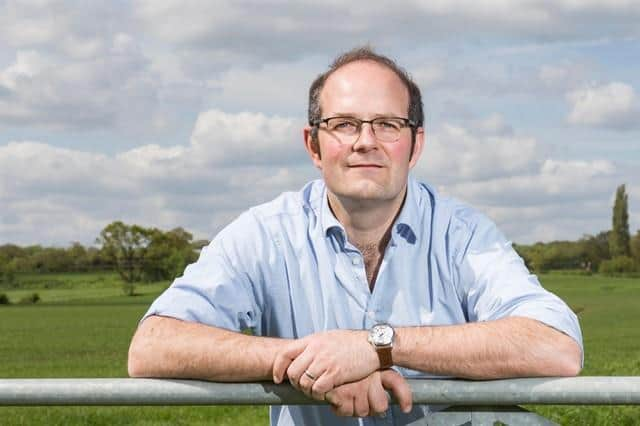
“More than 19,500 cattle were slaughtered in England in the 12 months to September 2023 because of bovine TB.
“The current government strategy to control and eradicate it, which gives farmers access to multiple measures to tackle the disease, including badger culling, has been hugely successful.
“New data provides further evidence of this, demonstrating the herd incidence rate of TB reduced by 56 per cent in areas that have had four or more years of culling. It’s great to see the Secretary of State acknowledge this and the importance of maintaining momentum.
“We are pleased that this consultation will consider how local partnerships in Targeted Badger Control areas, which will see a combination of culling, badger vaccination and on-farm biosecurity, are best deployed. The NFU will continue to work with its members and government to ensure a successful strategy to eradicate bovine TB continues to be based on sound science and evidence.”
The stakes are high. If the government and farming community has chosen the right course, an important industry has been saved from decimation.
If wrong, thousands upon thousands of badgers have been killed for no good reason. And they will continue to be killed.
Comment Guidelines
Iconic Media encourages reader discussion on our stories. User feedback, insights and back-and-forth exchanges add a rich layer of context to reporting. Please review our Community Guidelines before commenting.