
Dignity in death or murder? Story of loving wife who found herself in the dock for killing husband
Staring at the accused, it was hard – in reality, impossible – to marry Mavis Eccleston, grey haired, dogged by heart problems and reliant on a walking stick, with the murder charge she faced.

Close your eyes in the Stafford courtroom, and you could envisage the 80-year-old perhaps sending cold callers packing with a flea in their ear, perhaps scolding a neighbour’s cat for flattening her geraniums.
But wantonly taking a life…?
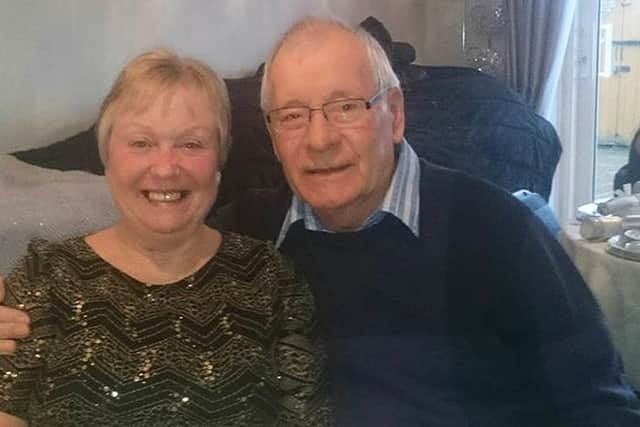

But, then, the alleged crime Mavis, from the close-knit former mining village of Huntington, south Staffordshire, committed was no ordinary case. It was an act of mercy that swamped petrol on the burning debate over the rights and wrongs of mercy killing and assisting a loved one to carry out their wish to end their suffering.
Close to five years after Mavis was acquitted of murdering her husband Dennis, a former pit worker in the final, undignified death throes of bowel cancer, and an alternative manslaughter charge, the story still fuels the flames of that debate.
They leap higher than before. The heat from them is more intense. It has gained powerful voices on both sides.

Those flying the “Dignity in Dying” banner include former presenter Esther Rantzen, battling stage four cancer. She has gained over 100,000 signatures on a petition to have the thorny issue debated in Parliament and says: “If I reach the stage where my life is unendurable, I would love my nearest and dearest to have the memory of my death being one I chose, peaceful and without pain.”
Actress and disability rights campaigner Liz Carr has voiced her opposition in BBC documentary “Better Off Dead?”. The Silent Witness star believes a law change could place pressure on the terminally ill to take their own lives. Some may make the ultimate decision while engulfed in a thick mental fog of depression.
The rights of the Isle of Man’s terminally ill residents to be helped to die has been fought over in its Parliament, Tynwald.
Every debate and discussion, even the tub-thumping and tantrums will be tinged by the Eccleston tragedy.
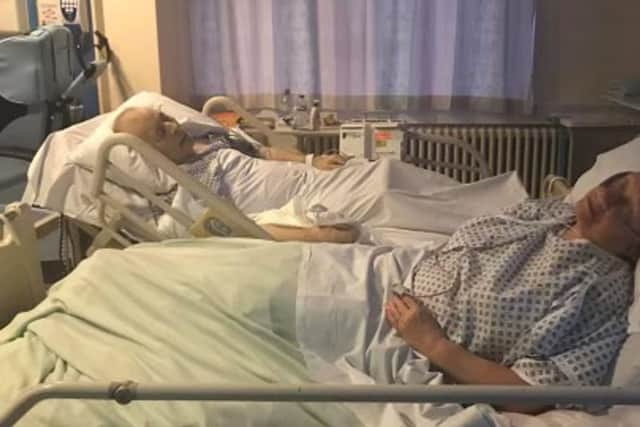
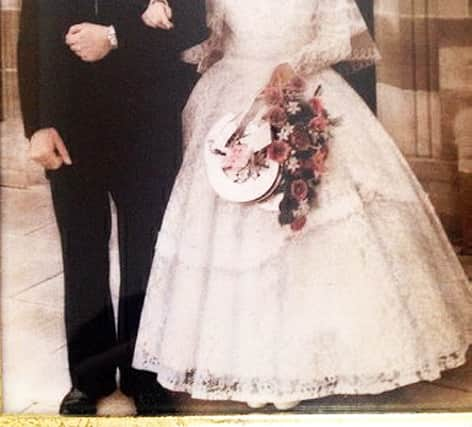
Mavis, still with us and cared for by her daughter, is a silent martyr for those who believe in assisted dying. She and her husband of 60 years revealed suicide pact plans to their shocked family, swallowed prescription pills together and were found, by a relative, unconscious in their neat Raven Close bungalow on February, 19, 2018.
Mavis survived, 81-year-old Dennis did not.
In her dotage, the widow spent 30 hours in a police cell and spent 18 tormented months waiting for her two-week trial.
She had, her supporters said, been demonised by the state because of devotion.
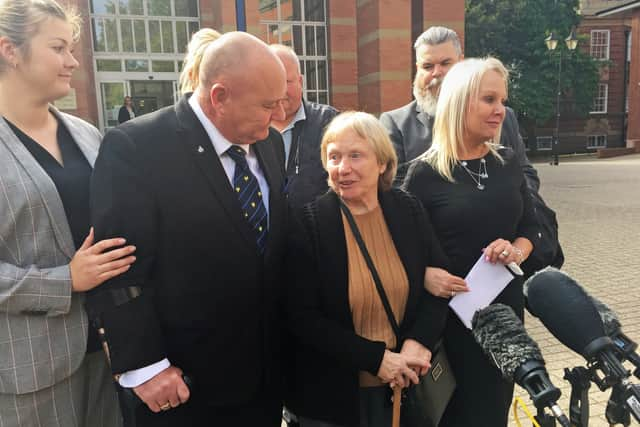
Mavis first gasped, then wept when the not guilty verdicts were announced - and those tears continue to help turn the wheels for campaign group Dignity in Dying.
They have a powerful torch-bearer in Mavis’ daughter Joy Munns, who speaks eloquently and powerfully of her family’s ordeal. She has told her story on television, in papers and to a 'Choice at the End of Life' Parliamentary meeting.
She has talked to me on a number of occasions and I was moved by her graphic description of the day "mom" decided shared death was the only answer:
“Mom woke up that dreadful morning to what she described as a wounded animal howling. He was on the floor and she could see this massive growth spilling out. She’d never seen it before.
“She had to get on her knees and, with dad on her back, carry him to the bathroom where she cleaned him up.
“She carried him back to bed where he said, ‘don’t ring the hospital, I want to go’.”
Mavis looked at the former Littleton Colliery gaffer and asked: “Do you really mean it?”
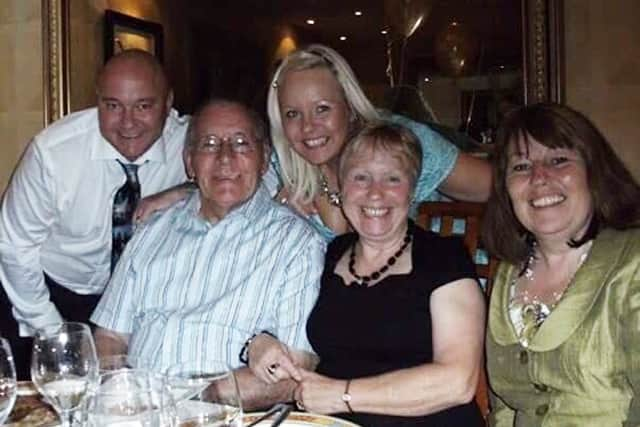
Of the couple’s final moments in hospital, Joy said: “Our parents’ love for each other was so clear, staff pushed their beds together so that mom and dad could hold hands and face each other during our dad’s final hours.”
To a degree, the Crown Prosecution Service’s stance on assisted suicide is now less rigid and, today, Mavis would not face trial.
CPS figures show that from April, 2009, to March 31 this year, 187 cases were referred to them by police. Of those, 127 were not proceeded with by the CPS and 36 withdrawn by police.
Only four have been successfully prosecuted.
The bottom line, however, is that it is an offence to help or encourage others to take their own lives, which means aiding final journeys to Swiss Dignitas clinics flout legislation.
And Joy simmers with anger over the rule. On Dignity In Dying’s website, she states: “We waited 18 months for the court case, worrying that having lost our dad to cancer, we might now see our mom imprisoned.
“We do not believe this needed to happen. If there had been an assisted dying law here in the UK our dad would’ve been able to have the choice to end his suffering, with medical support, and with his loved ones around him.
“He wouldn’t have had to have asked our mom to do something that is considered breaking the law.
“Our dad would have been devastated at the thought of his beloved wife waiting to find out if, at the age of 80, she would face a life sentence in prison for respecting his wishes.”
Joy stressed to me there have to be strict parameters: “It’s not about people with Alzheimer’s or dementia, it is about sound-minded people with a prognosis of six months or less to live.
“It is not a case of rocking up to the clinic. I am pushing for terminally ill people in sound mind and who do not want the pain and loss of dignity.”
The parameters – the rules – have to be everything and it is they that make the topic so complex, so messy and, some would say, unwieldy in law.
Those in favour spit out the old chestnut: “You wouldn’t let a dog suffer like that.”
It is flippant and misguided. We are capable of complex emotions and the terminally ill have good days and bad days: a decision to end it all on one black day may be regretted the next, say the pro life lobby. Yet with the wheels turning, some may feel they cannot back out.
At what point in a terminal illness does assisted suicide tick all the boxes? What illnesses fall under the umbrella of state sanctioned suicide?
And those vehemently opposed to the campaign point to the advances in medical treatment and palliative care.
That exposes an unpleasant prospect that reeks medical immorality. Faced with a creaking, over-loaded NHS systems that sometimes fails to deliver the required level of care when required, some patients may feel driven to end it all.
In that harrowing scenario, the health system, not archaic death laws would be the problem.
The “who, why, what, when, where and how” questions have not received definitive answers.
Sarah Wootton, Dignity in Dying chief executive, has no doubt this country has “got dying wrong”.
“The Ecclestons’ experience is sadly not an isolated tragedy. Families are being failed by the UK’s outdated laws on assisted dying, with dying people forced to resort to drastic actions to avoid unbearable suffering and loved ones criminalised for acts of compassion.
“As we emerge from the worst of a pandemic that has forced us all to confront our own mortality, the time is now for a grown-up conversation about the fact we are getting dying wrong in this country and how we can, at last, fix our broken laws.
“If MPs truly care about our dying citizens they will agree that the time has come to take a full and frank look at whether the status quo is really working. The Ecclestons’ story shows quite clearly it is not.”
Care Not Killing, an alliance of health, faith and human rights groups, is equally vociferous in its condemnation of attempts to change the “status quo”.
It states: “Any change in the law to allow assisted suicide or euthanasia would place pressure on vulnerable people to end their lives for fear of being a financial, emotional or care burden upon others. This would especially affect people who are disabled, elderly, sick or depressed.
“Persistent requests for euthanasia are extremely rare if people are properly cared for, so our priority has to be to ensure that good care addressing people’s physical, psychological, social and spiritual needs is accessible to all.
“The present law making assisted suicide and euthanasia illegal is clear and right and does not need changing.”
Care Not Killing adds: “The number of people travelling abroad to commit assisted suicide or euthanasia is very small – 273 in 13 years compared to numbers in countries that have legalised assisted suicide or euthanasia. With an ‘Oregon’ law we would have 1,500 deaths a year and with a ‘Dutch’ law 16,000.
“If assisted suicide or euthanasia is legalised, any safeguards against abuse, such as limiting it to certain categories of people, will not work. Instead, once any so-called ‘right to die’ is established we will see incremental extension with activists applying pressure to expand the categories of people who qualify for it.”
Joy Munns knows only one thing: Mavis was forced to end her husband’s pain, misery and degradation – and was hounded for it.
“She didn’t want him to die on his own,” she added. “She said, ‘if your dad could’ve gone peacefully, without pain, I would not have done what I did’.”
To many, those words are the most powerful argument of them all.
Comment Guidelines
Iconic Media encourages reader discussion on our stories. User feedback, insights and back-and-forth exchanges add a rich layer of context to reporting. Please review our Community Guidelines before commenting.