
Cold water shock warning as people seek relief from heat

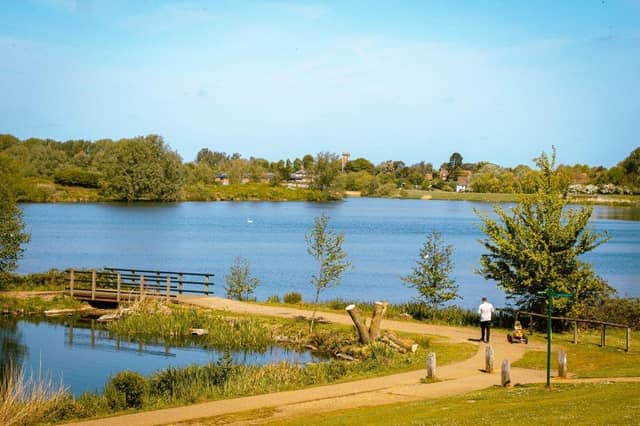

At least 18 people have lost their lives this year
The Environment Agency and West Midlands Ambulance Service has urged people to take care around rivers and open water as temperatures rise across the UK.
They warned that while the weather may be hot, rivers remain dangerously cold, even during the summer months.
Officials said that swimming or jumping into cold water can trigger cold water shock, a potentially life-threatening reaction that can affect breathing and movement.
The safety message comes as more people seek ways to cool off during the current spell of warm weather.
At least 18 people have lost their lives in open water incidents across the UK during the recent spells of hot weather. The majority of these tragic accidents, which include a high number of teenagers and children, occurred due to accidental drowning and cold water shock
Hidden dangers in open water
Unlike swimming pools, open water like lakes, rivers, quarries and reservoirs can conceal hazards that are not immediately visible from the surface:
- Cold water shock – Even on hot days, water temperatures can still be dangerously low beneath the surface. Anything below 15°C is defined as cold water and can seriously affect your breathing and movement. Sudden immersion can cause involuntary gasping, rapid breathing, panic, increased heart rate and loss of swimming ability. All of this can happen very quickly.
- Lack of safety equipment – lifeguards or safety equipment such as life rings or safety floats aren’t often provided in open water locations which means help isn’t quickly available.
- Difficult access or terrain – Remote or difficult access to open swimming locations means an increased difficulty for rescue by the emergency services.
- Strong currents and undertows – Rivers, canals and reservoirs may have powerful currents that can quickly overwhelm even strong swimmers.
- Sudden changes in depth – Water can become deep unexpectedly, making it difficult to regain footing.
- Submerged objects – Rocks, debris, drains, branches and other hidden obstacles can cause injury or entrapment.
- Poor water quality – Open water may contain pollutants, bacteria or blue-green algae that can pose severe health risks.
- Steep or slippery banks – Getting out of the water can be much harder than entering it, particularly on muddy or steep embankments.
Comment Guidelines
Iconic Media encourages reader discussion on our stories. User feedback, insights and back-and-forth exchanges add a rich layer of context to reporting. Please review our Community Guidelines before commenting.