
11 bygone photos show the Shropshire town once synonymous with horse racing - and it's not Ludlow
With the Cheltenham festival in full swing this week, a Shropshire historian has unearthed some pictures from when a town in the county had a proud horse racing history.
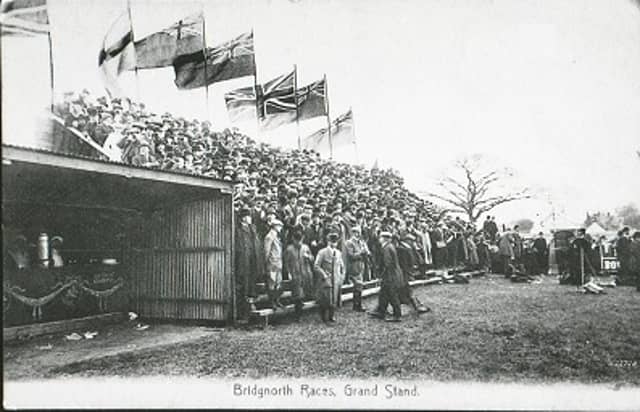


While the county has a thriving race course in the shape of Ludlow Racecourse, the south Shropshire town never used to have a monopoly on the ‘sport of kings’.
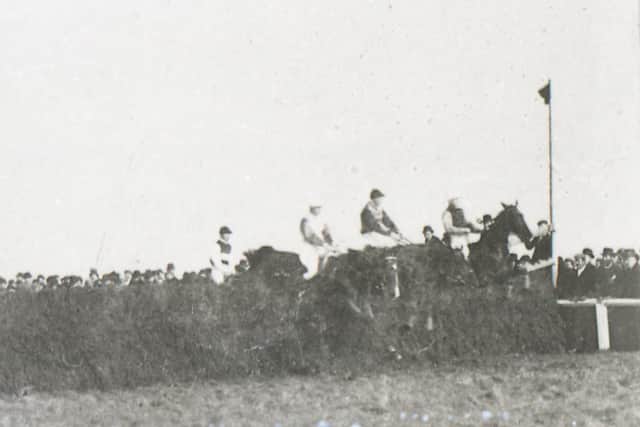
Bridgnorth historian, Clive Gwilt, says his home town was once synonymous with horse racing.
“Horse racing in the area dates back to about 1690, when meetings were held on Morfe Common,” said Clive, who has authored numerous books on Bridgnorth’s history.
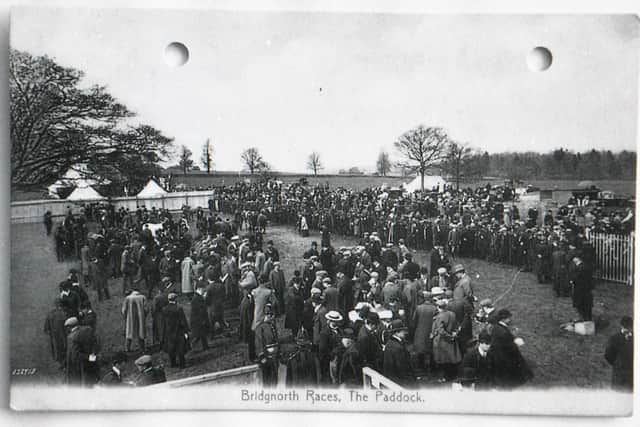
“These events were organised with support from the town corporation and were popular social gatherings.”
He said his archives show that the earliest recorded meeting took place in August 1690.
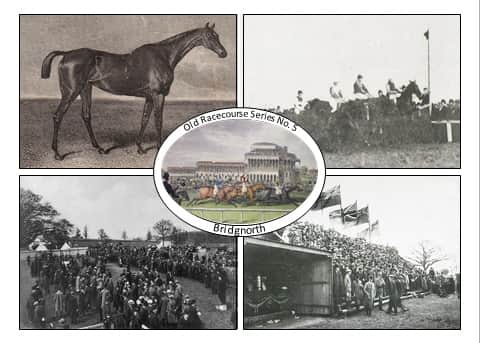
“By the early 1700s, races at Bridgnorth were already being reported in racing calendars,” said Clive. “One early recorded result was in 1732, when a horse called Spot won a selling purse race.
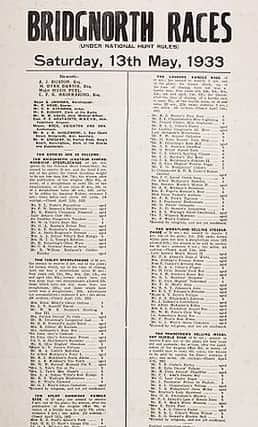
“Race days were big local events — entertainment included theatre performances in the town during the racing meetings and all the inns and accommodation were full.”
He said between 1812 and 1838, horse racing then moved to Innage, just outside Bridgnorth.
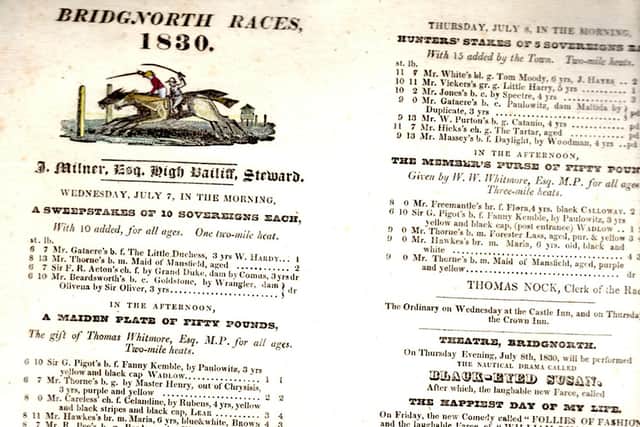
“When Morfe Common was enclosed, the races moved to Innage, near Tasley just outside Bridgnorth,” said Clive. “Racing took place there from 1812 until 1830.
“The last race meeting there was in June 1830.”
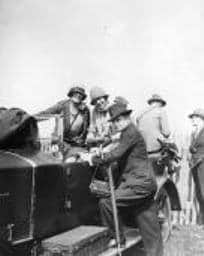
He added: “The famous Shropshire eccentric John Mytton (known as Mad Jack) lived nearby and was known for extravagant horse riding and racing culture in the early 1800s.
“A modern bridleway, the Jack Mytton Way, still passes near Bridgnorth.
“But after the Innage period, racing continued on another course at Tasley. Flat racing meetings continued until October 15, 1873 and steeplechases started around 1866 and carried on intermittently into the early 20th century.”
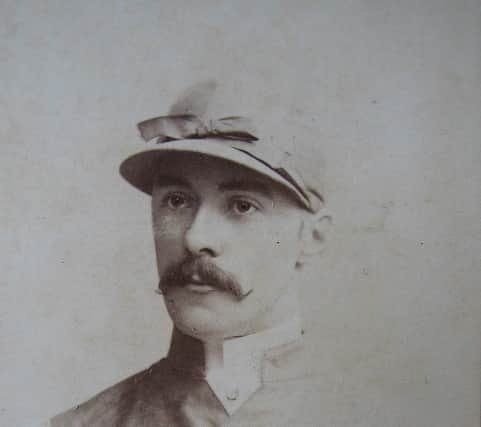
But he said like many race courses in Britain, the popularity of racing in Bridgnorth began to decline.
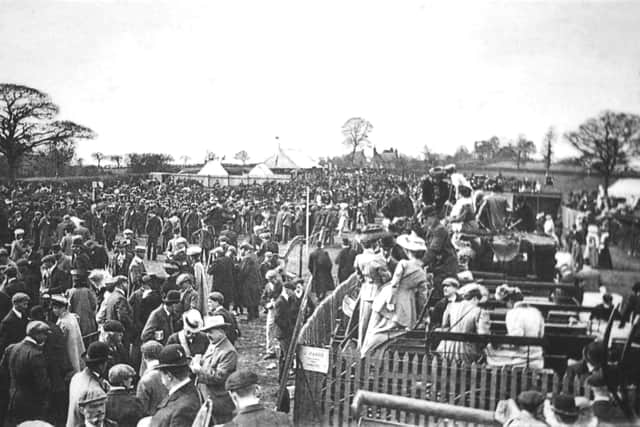
“Like many small town courses, Bridgnorth racing declined because of competition from bigger racecourses (like those at nearby towns), transport changes and centralised racing fixtures and the cost of maintaining small rural courses,” said Clive.
“The final recorded race meeting connected with the Bridgnorth course system was 20 May 1939, after which organised racing in the town effectively disappeared.”
Comment Guidelines
Iconic Media encourages reader discussion on our stories. User feedback, insights and back-and-forth exchanges add a rich layer of context to reporting. Please review our Community Guidelines before commenting.