
What can you do to minimise stress on the road this Christmas?
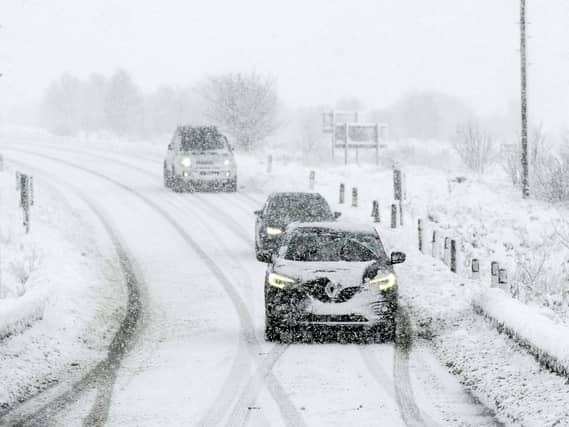

Driving over the Christmas period can be stressful enough without a car breakdown. We’ve got a full checklist that can help you out on the road.
The Christmas period is nearly here, and that means many of us will be hitting the road to visit friends and family.
Driving on the road at Christmas can be one of the most stressful and dangerous times of the year to get behind the wheel, so it’s important that you carry out several checks to your vehicle to prevent a breakdown or an accident.
We’ve compiled a checklist of all the things you need to do to make your journeys out on the road this Christmas as stress-free as possible.
Check your roof box and roof racks are secure

Having a roof box fitted to your car increases its flexibility and allows you to carry more luggage on your journey. However, it’s important that you check that it’s securely fastened, as an insecure roof box can be dangerous and could fall from the roof of your car while on the road.
Before you travel, inspect all of the box’s mounting clips and clamps to ensure they are tight and locked in place. Give the box a shake to see if there is any movement. If it feels solid, it’s secured and is properly fitted to its mounting points.
We’d recommend checking that your roof box is securely placed twice. You should consider pulling over five to 10 miles after you’ve set off to make sure the box hasn’t moved before continuing on with your journey.
Don’t leave presents on display when parked
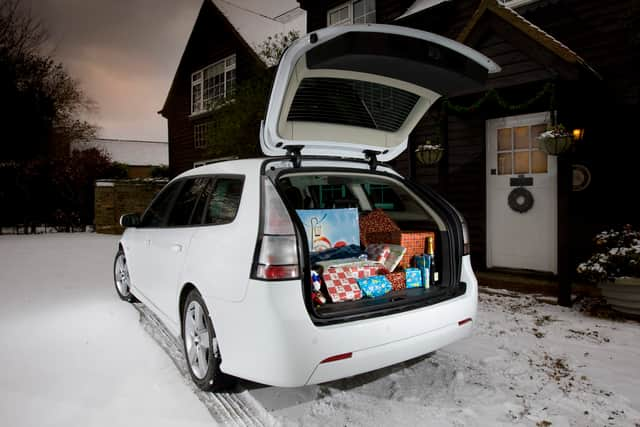
If you’re travelling to see friends and family this Christmas, and have brought a lot of presents with you, make sure that they are hidden and not on display.
Motorway service stations are a great place to stop and take a break. However, leaving your car unattended with valuable gifts inside could make it a target for thieves.
If you plan to leave your car parked, make sure that everyone has exited the vehicle, all the windows are closed and that it’s double locked. Do not leave gifts on the seats or on top of the parcel shelf. Instead, move them to the boot and make sure the parcel shelf covers them from view.
Leaving your car parked up overnight can also attract thieves, which is why the best thing to do is to bring gifts into your house to prevent anything from being stolen. Also, park your car in a well-lit area, or a busy street rather than a dark, isolated area.
Plan your journey
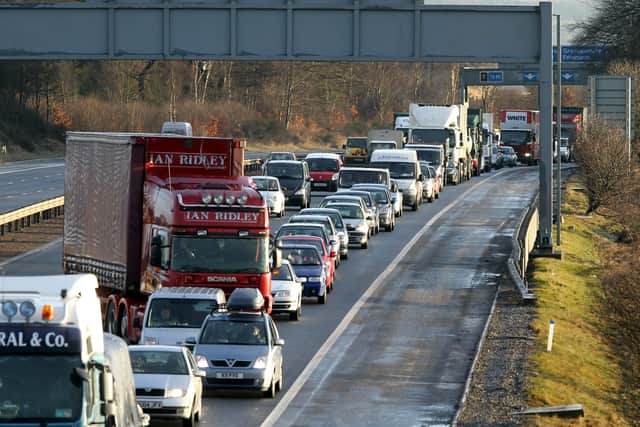
As it’s the festive period, there will be millions of cars on the road this winter, which is why planning your journey will prevent any unnecessarily stressful situations.
Before setting off, look at alternative routes that avoid congestion and road closures. If you can’t find a route without encountering lots of traffic, leaving earlier is the best solution. This will give you plenty of time and will help prevent you from running late.
If you’re going to be on the road for a long period, taking short 15-minute breaks every two hours is a great way to stay fresh and alert. Never drive a car while feeling tired or unwell, as this will affect your concentration levels, which could lead to an accident, putting you, your family and other road users at risk.
Pack essential items in your car

Always pack essential items in your car, as that way you will be prepared in the event of a breakdown.
A warning triangle, high-visibility jacket, spare bulbs and a first-aid kit are all important items that can help keep you safe on the road.
Furthermore, cold mornings mean our cars will be subjected to frosty starts. Packing de-icer, an ice scraper, gloves, scarves, hats, thick winter coats and even a portable jump pack will make it easier and more convenient to get you and your family on the road.
Also, pack plenty of snacks and drinks to make sure you and your passengers don’t go hungry or thirsty. Driving while dehydrated and hungry can affect your concentration levels and reaction times, increasing the risk of an accident.
Carry out basic checks on your vehicle
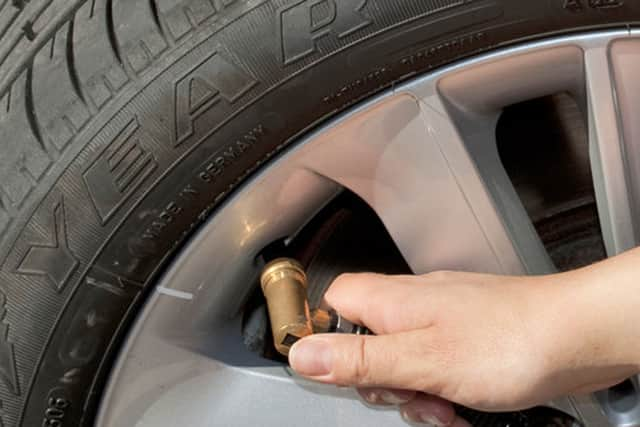
Carrying out basic checks on your vehicle before you head off on your travels is an effective way to reduce the risk of a breakdown.
Firstly, check your car’s tyre pressures, as rubber can lose air in cold temperatures. This can affect fuel economy, handling and stopping power. Use a good-quality tyre pressure gauge to see how much air is in each tyre. If they’re low, they need inflating to the manufacturer’s recommended level. Also, inspect the tyres for cuts, splits, cracking and bulges in the sidewalls, and make sure there is an ample amount of tread. The minimum legal requirement in the UK is 1.6mm.
Top up the screenwash to ensure you have a clear view of the road ahead. It’s also important to inspect the coolant level to make sure your engine will run smoothly in cold conditions. If the coolant level is below the minimum mark, top it up to the recommended manufacturer’s preference to help prevent damage to the engine.
Check the condition of the front windscreen for chips, as this can develop into a large crack if it’s left, especially during freezing temperatures.
Finally, walk around the car and check the headlights, hazard lights, sidelights and fog lights are working. If you can, ask a friend or family member to check whether the brake lights and reverse lights are working. Alternatively, you can drive up to a wall or garage and check the reflection to see whether the lights illuminate as they should.