
Price of fuel reaches three-year high
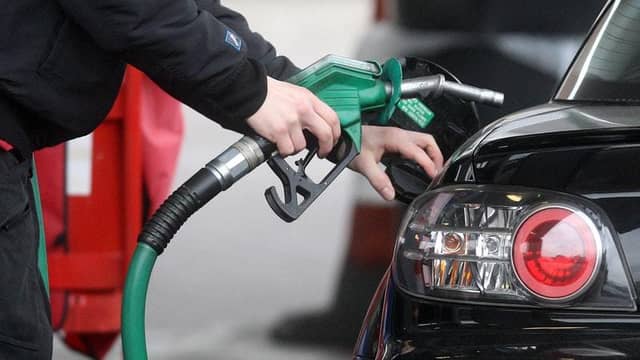

Petrol and diesel increased by more than 2p per litre in November, taking their average prices to their most expensive point in three years
The average price of petrol and diesel has hit a three-year high, after prices rose by more than 2p per litre in November.
RAC Fuel Watch data has revealed that a litre of unleaded petrol increased to 120.78p from 118.43p, while the price of a litre of diesel rose to 123.18p from 120.96p.
This means that the cost of filling a 55-litre family car with petrol is now £66.43, making it £3.55 dearer than in July – the month unleaded reached its cheapest point of the year at 114.33p per litre.
By comparison, a 55-litre tank of diesel now costs £67.75 – £4.50 more than it did in July, when the fuel cost 115.02p per litre.
Regionally, Yorkshire and the Humber witnessed the largest rise in the price of unleaded during November, with an average of 2.6p being added to the price of a litre. Conversely, Scotland saw the smallest increase, with the average price rising by 1.9p.
Motorists in the south-west of England witnessed the largest rise in the price of diesel, with a litre increasing by 2.46p on average. Scotland and London saw the smallest increase, with average prices rising by 1.91p in November.
#Petrol and #diesel most expensive for three years, #RACFuelWatch shows https://t.co/n8lZTJmMZh pic.twitter.com/8QMnhFa2lk
— RAC Press Team (@RACPress) December 5, 2017
RAC fuel spokesman Simon Williams said: “Even though the oil price is now consistently above $60 a barrel, the increased value of sterling against the dollar is helping to keep fuel prices down at the pumps.
“This is good news for motorists, as it means petrol and diesel prices are unlikely to shoot up. In fact, we may even see them come down very slightly in the next week or so.”
In late November, the Organisation of the Petroleum Exporting Countries (OPEC) decided to extend its cut in production from its scheduled conclusion at the end of March to the close of 2018.
Williams added: “The price we will pay for fuel at the pump into 2018 very much hinges on how effective OPEC’s production cut continues to be in reducing the global glut of crude oil.
“The increased barrel price this is designed to create may also work against the group as it makes fracking for oil in the US more financially viable, which in turn may lead to America increasing its production and filling the gap from the cuts.
“If this happens, it should mean forecourt prices won’t go shooting up.”