
£50 billion gamble sees rate cut
The Government today unveiled its £50 billion taxpayer-funded rescue package to save Britain's banking system from collapse - as interest rates were cut by 0.5 per cent.
 By Sunita Patel and Amy Bould
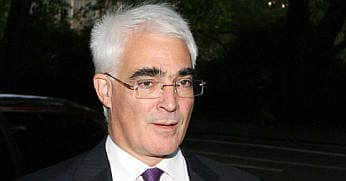

The Government today unveiled its £50 billion taxpayer-funded rescue package to save Britain's banking system from collapse - as interest rates were cut by 0.5 per cent.
The move by the Bank of England immediately sparked a revival in the stock market, with the FTSE climbing, after starting the day more than 300 points down.
A day of extraordinary tension saw a series of dramatic announcements including:
- The part-nationalisation of eight leading banks in a £25 billion bailout;
- Another £25 billion set aside for future rescue deals;
- 0.5 per cent cut in interest rates across Europe and in the US;
- A UK base rate of 4.5 per cent.
Prime Minister Gordon Brown described the part-nationalisation of the banks as a "bold and far-reaching" solution to the financial crisis. It will see taxpayers' cash used to buy shares in stricken banks hit by the global economic turmoil.The Government says the taxpayer can expect to make a profit on the deal by selling the part-nationalised stake when the market recovers.
The package initially failed to stop new falls on the FTSE, which dropped to 4340.77 - leaving the value of Britain's stocks and shares at their lowest level since Labour came to power in May 1997.
The announcement of an interest rate cut did spark an immediate rally, but at 1.40pm the FTSE was down 158.7 points to 4446.5.
Royal Bank of Scotland, whose shares dived nearly 40 per cent yesterday ahead of the deal thrashed out overnight, lost another nine per cent, before climbing by 25.8p.
HBOS, whose own funding problems forced it into a takeover by Lloyds TSB, was up 55.43 per cent. The initial falls had been expected after turbulence in Asian markets overnight, with Japan's Nikkei sliding nearly 10 per cent at one stage. New York's Dow also fell five per cent.
Mr Brown revealed that in addition to the £50 billion, a fighting-fund would also be made available to make sure banks have enough cash to carry out their day-to-day trading under a special £200 billion Bank of England liquidity scheme to encourage longer-term lending.
There will be strings attached to the deal. Banks will have to sign up to a commitment to increase their capital and keep a lid on how much they pay their executives to safeguard the interests of the taxpayer.
Eight UK banks and building societies - including Royal Bank of Scotland, Barclays, HBOS, Lloyds TSB and Nationwide - have signed up to an initial £25 billion scheme. And the Government said it stood ready to make at least another £25 billion available for other eligible institutions.
Hammered out
It is hoped the action will rebuild confidence in the system and jump-start banks into lending to each other and small businesses again, as well as individual borrowers such as homebuyers.
Details of the bailout were hammered out during emergency talks between Mr Brown, Mr Darling, Bank of England Governor Mervyn King and Financial Services Authority chairman Lord Turner last night. Final touches to the measures were being made just hours before Mr Darling's statement outlining the details of the plan before the markets opened this morning.
Mr Darling said the action the Government was taking was in response to "extraordinary times" - and he reassured taxpayers that they would not lose out, insisting: "The taxpayers' interest is being protected."
Asked if the plan would work, he replied: "I believe it will go a long way. I am not ruling anything out. We will do whatever it takes - and it is important that governments right across the world do that."
Shadow chancellor George Osborne said the Tories would be "as constructive as possible". He added it was crucial taxpayers' money being pumped into the banks was used to allow credit to flow through the economy again - and not used to pay bonuses to bankers.
David Kern, economic advisor at the British Chambers of Commerce, said he welcomed the "radical measures" taken by the Government.
He said: "But given the erratic mood of volatility in the financial market there remains clearly a risk of renewed speculative attack. The vital flow of finance to businesses and consumers must be maintained at all costs. A cut in interest rates tomorrow and a reduction in business taxes remain vital steps."
See more inside Wednesday's Shropshire Star