Midlands accountancy firm's six step action plan for tax reporting changes
A leading Midlands accountancy firm has drawn up a six-point plan to help the owners of small businesses prepare for the biggest shake‑up to self‑assessment in a generation.
Telford-based Turas Accountants says new Making Tax Digital rules, which will be rolled out from April 2026, dramatically change the way sole traders and the self-employed will report their tax.
From April 2026, Making Tax Digital for Income Tax Self‑Assessment (MTD for ITSA) will require anyone with a gross income over £50,000 from self‑employment or property to keep digital records and submit quarterly updates to HMRC using compliant software.
It will then be extended to include those with a turnover of between £30,000 and £50,000 from April 2027 and those between £20,000 and £30,000 in April 2028.
Helen Columb, owner of Turas, says too many local businesses are underprepared.
"This is not about profits, it’s about turnover. Many people who think they are under the threshold may actually be caught. Waiting until 2026 to adapt is a recipe for stress and costly mistakes. The time to act is now," she said.
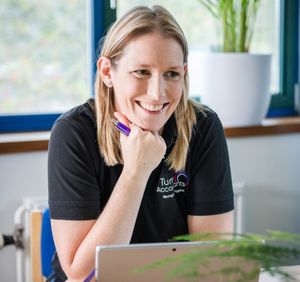
Under her six-point plan, Helen advises businesses to:
Check your qualifying income: If it is £50,000 or more, the need to get ready for MTD is urgent.
Choose compliant software: There is a wide range of software available so take the time to see what works best for you. If you act now, you’ll have plenty of time to get familiar with the platform you choose.Once you are under MTD, you will no longer be able to submit a Self Assessment via the HMRC website, so you need to ensure that the software you have in place will allow you to do the quarterly submissions AND the tax return at the end of the year.
Move to digital record-keeping early: Don’t wait until next year – get started now. Early adoption means you can iron out any issues well ahead of MTD D-day.
Ensure that you have a dedicated business bank account and that you have moved all your business transactions to this. It is easier to complete bookkeeping this way, especially when lots of software will connect with your bank account and pull in the transactions for you.
Review your processes: Look at how you capture receipts, track mileage, record rental repairs or allocate costs between personal and business use. It’s important to have accurate processes in place because small inefficiencies will be magnified under quarterly reporting.
Budget for compliance costs: Even with free software options for simpler cases, there may be costs for licences, training or additional bookkeeping support. Factor these into your financial planning now so that you are not caught out by any extra bills.
Helen added: "This is not just a compliance exercise. Done properly, MTD can bring clarity and foresight to your finances.
“That’s where your accountant will truly earn their fee. They will help bridge the gap between the legislation and the way you actually work, making sure that the legal requirements are translated into workable routines.
“By acting now, you can spread the transition over the next 6 months, avoid the bottleneck of last‑minute adoption and enter April 2026 with confidence.”
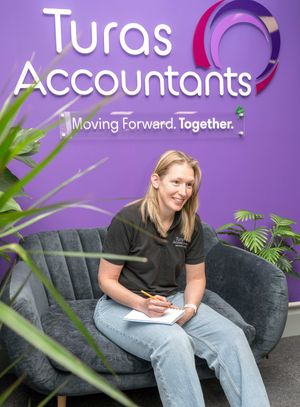
Turas, which is based in Hall Court in Telford Town Centre, started trading in 2013 as Columb & Gosling Accountants. It changed its name to Turas Accountants five years ago under Helen’s leadership.
It now works with clients across the country covering VAT, company accounts, bookkeeping and payroll. It specialises in e-commerce, helping clients who have online businesses using marketplaces such as Amazon, eBay and Etsy.